
33 Cozy First Apartment Decor Ideas for a Space That Feels Like Home
Introduction
The keys are in your hand, the walls are builder-white, and the only furniture is a mattress and a few boxes. Decorating a first apartment is exciting, but it comes with real limits: a lease, a tight budget, and rooms that were never designed with your taste in mind. The good news is that a cozy home depends far more on lighting, texture, and layout than on big purchases or renovations. The 33 first apartment decor ideas below mix quick, renter-friendly changes with a few worthwhile upgrades, so you can build a place that feels settled now and grow it over time. Some cost almost nothing, some are slow investments, and all of them work in rooms you can’t paint or remodel.
1. Anchor the Main Room With a Properly Sized Rug
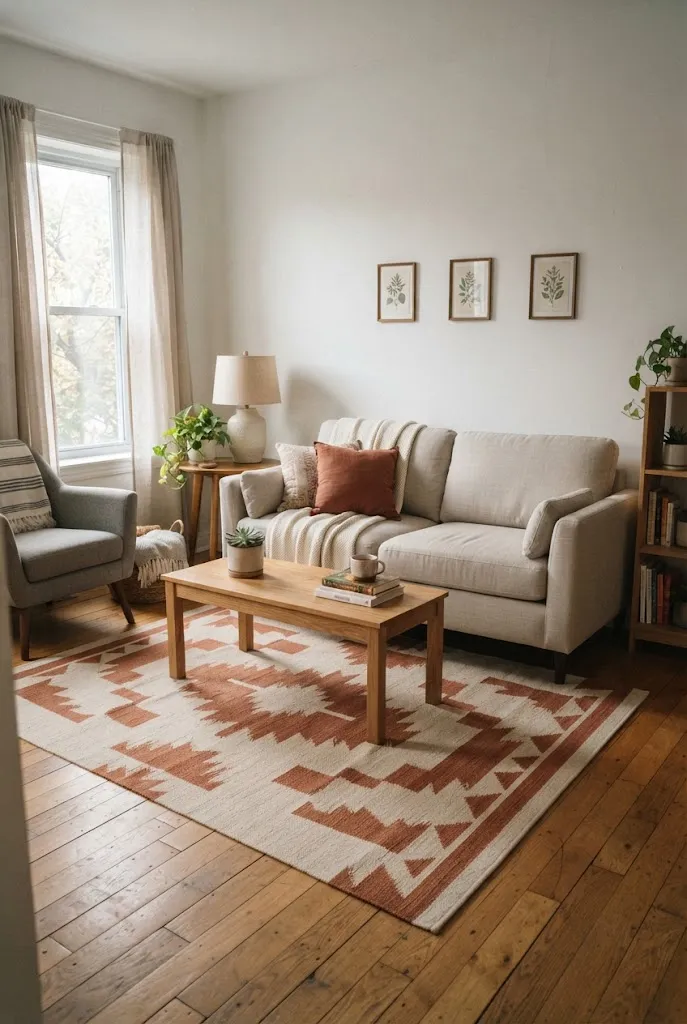
A rug that’s too small makes furniture look like it’s drifting. In a living area, aim for a rug large enough that at least the front legs of the sofa and chairs rest on it. In many apartments that means a 5×8 or 8×10, depending on the room. A flat-weave or low-pile style is easier to vacuum and works well over hard flooring. Choose a warm neutral with a little pattern or texture, since it hides everyday wear better than a solid pale color.
Quick Tip: Add a non-slip rug pad. It keeps the rug flat and adds cushioning underfoot.
2. Replace Harsh Overhead Light With Layered Lamps
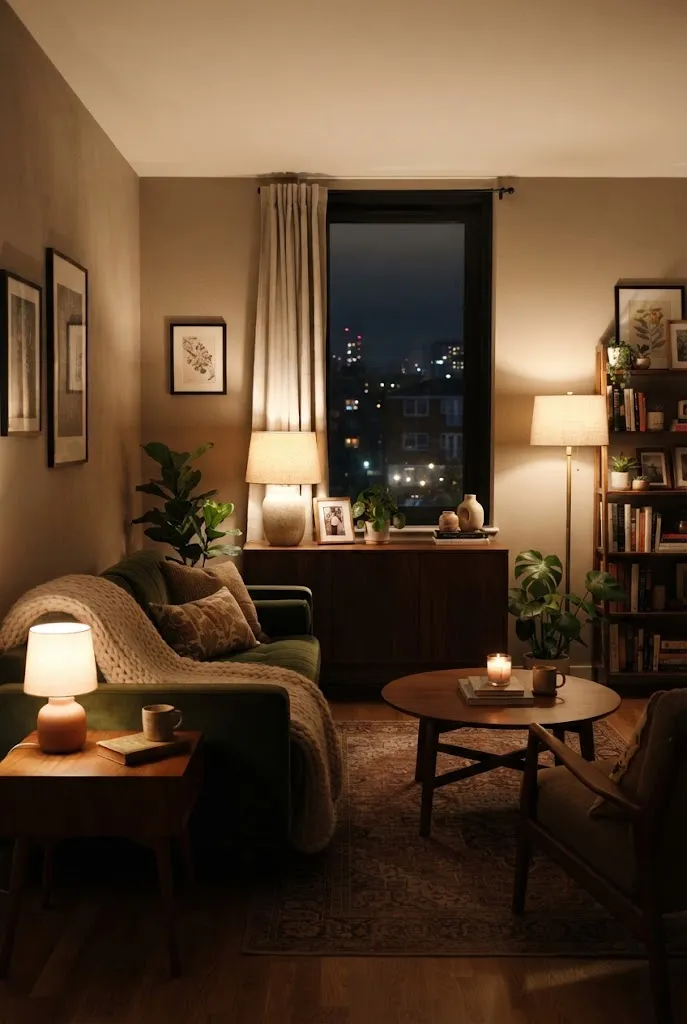
Builder-grade ceiling fixtures often cast flat, cool light that works against a cozy mood. Turn them off in the evening and use two or three lamps at different heights instead: a floor lamp in a corner, a table lamp on a sideboard, and a small lamp near the bed. The lower light pools on surfaces and makes the room feel smaller in a good way.
- Use bulbs labeled warm white, around 2700K
- Place lamps at different heights
- Keep one lamp near every seating spot
3. Add Plug-In Wall Sconces Where You Can’t Wire Anything
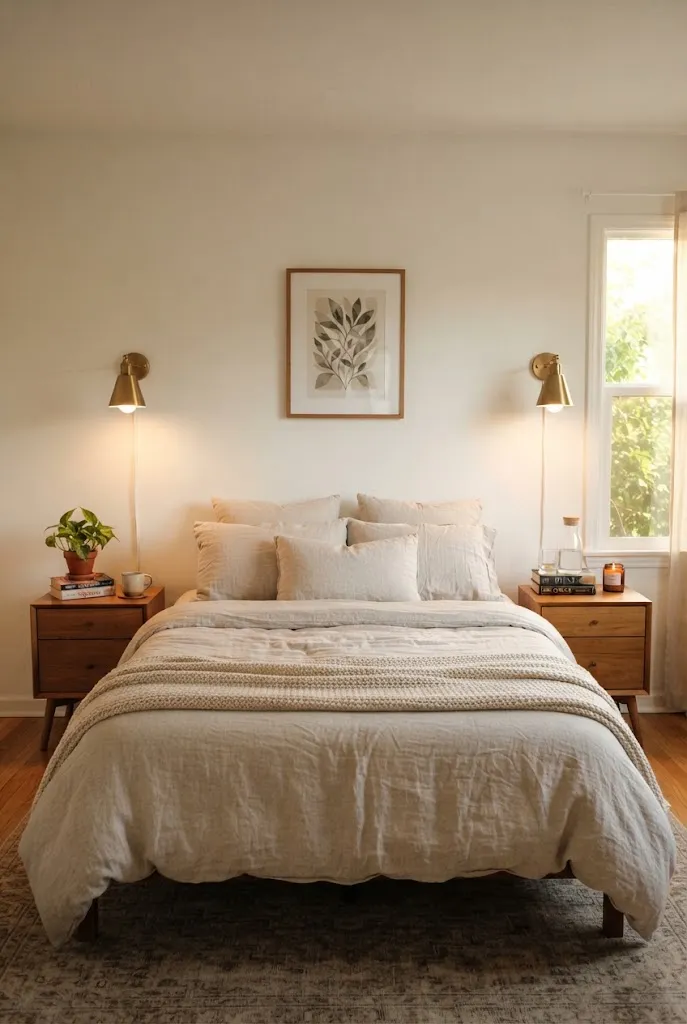
Plug-in sconces bring lighting to the wall without electrical work. Mount one on each side of the bed, or flank a reading chair, and tuck the cords into a paintable cord cover. The effect is the layered, hotel-like glow that apartments rarely come with. Look for models with a built-in switch so you aren’t reaching behind furniture.
Editor’s Note: Mounting usually means a few small screw holes. Check your lease, or look at no-drill options that rest on a shelf or headboard.
4. Build a Bed That Looks Inviting in Layers
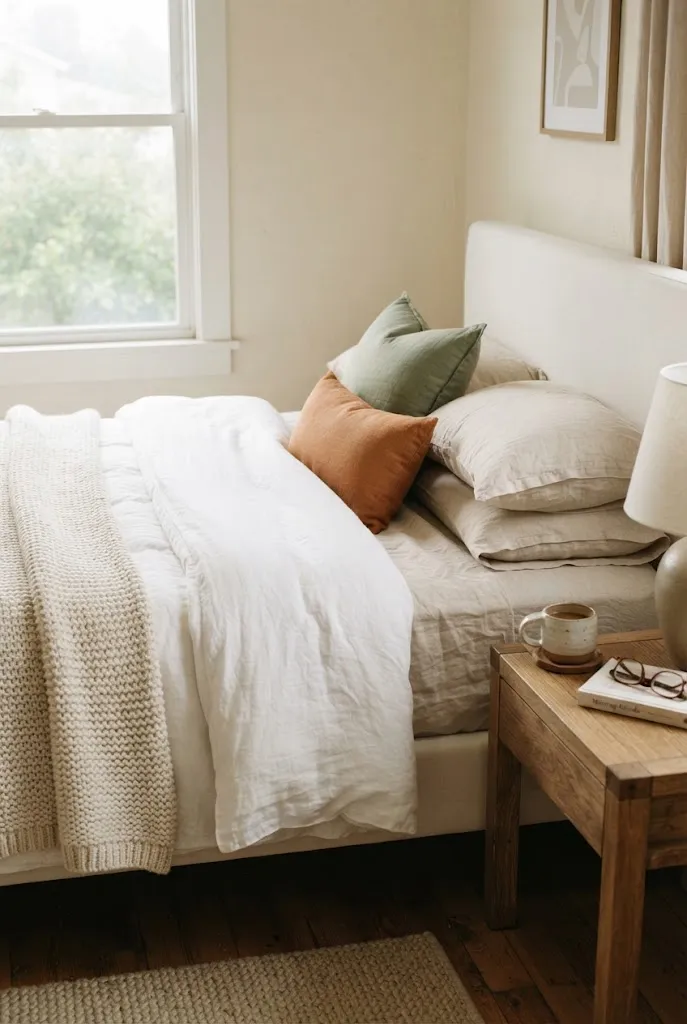
The bed is the largest visual surface in the bedroom, so dressing it well changes the whole room. Start with a fitted sheet and flat sheet in linen or washed cotton, add a duvet, then fold a heavier throw across the foot. Two sleeping pillows and one or two decorative ones are enough. Keep to two or three colors so the layers read as intentional rather than busy.
- Start with a breathable base layer.
- Add a duvet in a calm solid or subtle stripe.
- Finish with a chunky knit or quilted throw.
5. Divide a Studio With a Tall Open Bookcase
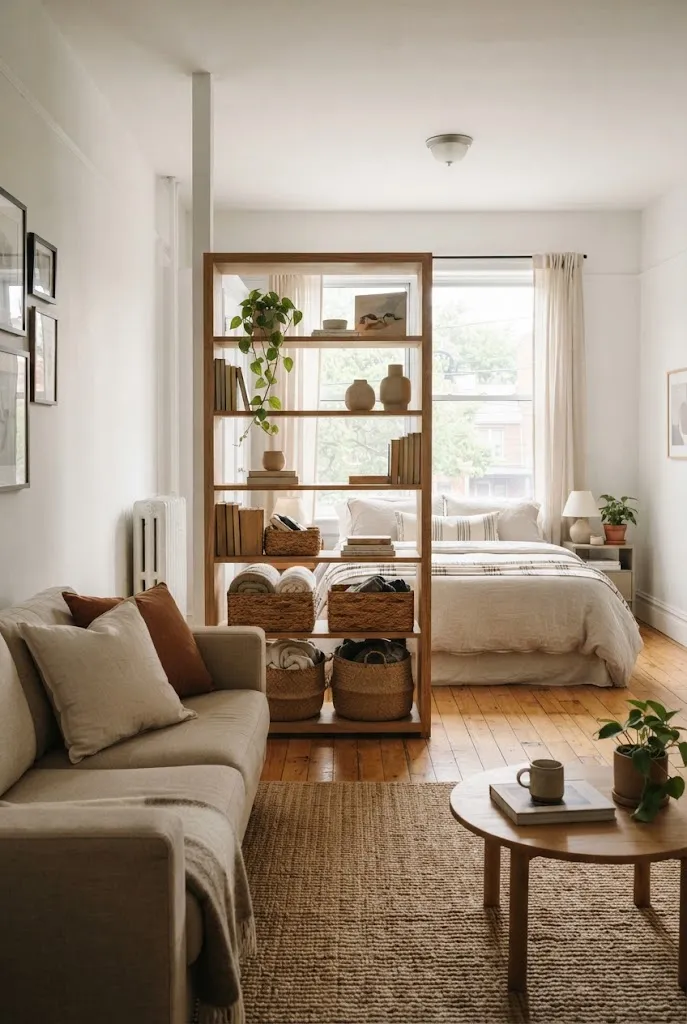
In a studio, sleeping and living areas blur together. An open-backed bookcase set perpendicular to the wall creates a visual boundary without blocking light. Fill the lower shelves with baskets and the upper ones with books and a few objects, so the side facing the bed looks calm. Secure it to the wall with a furniture anchor, which is a safety step worth taking with any tall piece.
6. Hang Curtains Higher and Wider Than the Window
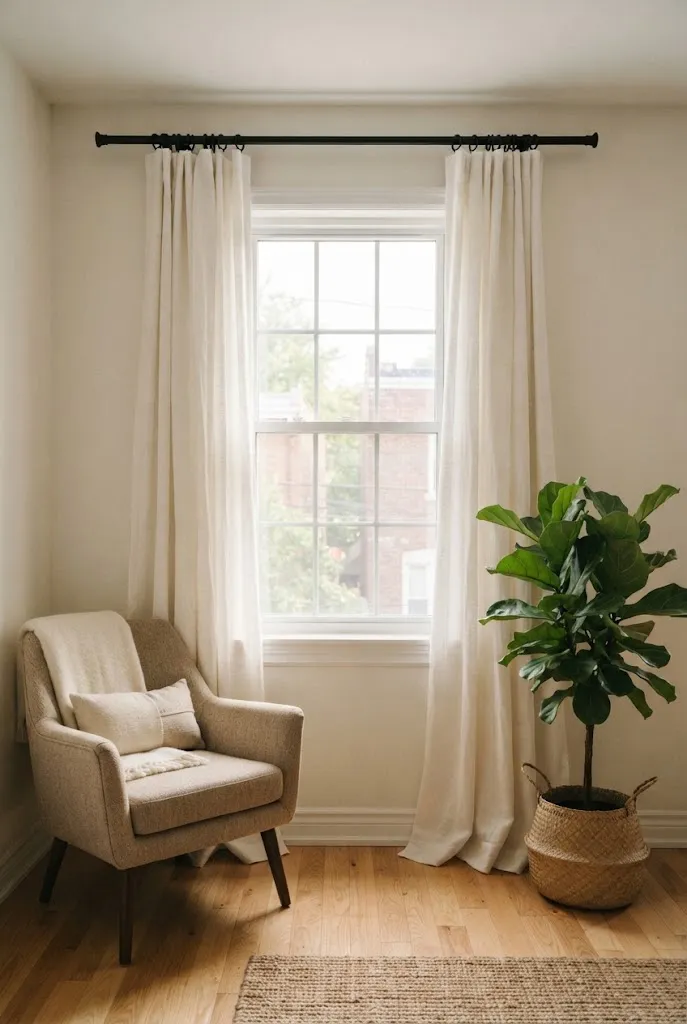
Mounting the rod several inches above the window frame, and extending it past the sides, makes ceilings feel taller and windows look larger. Choose panels with enough fullness to look gathered, and long enough to just skim the floor. Lined curtains in a natural linen blend soften the light and add warmth.
| Rod Placement | Effect | Best Fit |
|---|---|---|
| Directly on window frame | Window looks its actual size | Very low ceilings |
| Higher and wider | Window and ceiling look larger | Most apartment rooms |
7. Lean Large Art Instead of Hanging It
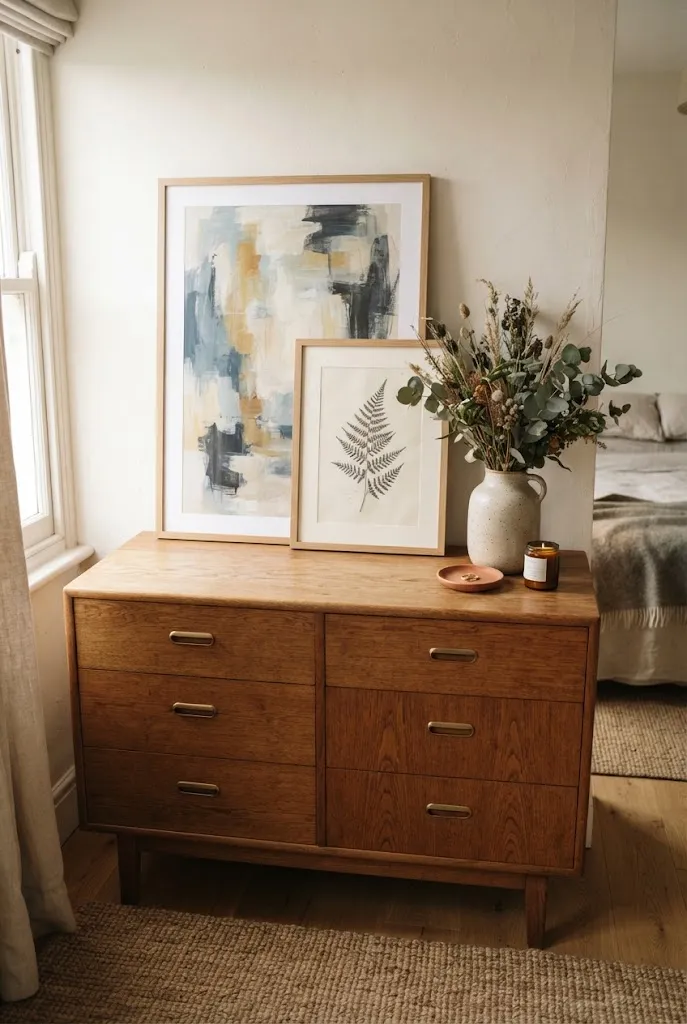
Leaning a big framed print against the wall on a dresser, console, or the floor avoids nail holes and feels relaxed. It also lets you swap pieces without patching anything. Choose art with some depth, such as a landscape, abstract print, or botanical, and overlap a smaller frame in front for a layered look. Keep the heaviest piece at the back.
Do: Place leaning art on a stable surface with a lip or against a wall that won’t be bumped.
Don’t: Lean glass frames on slick surfaces where they could slide.
8. Choose a Secondhand Wood Coffee Table With Some Character
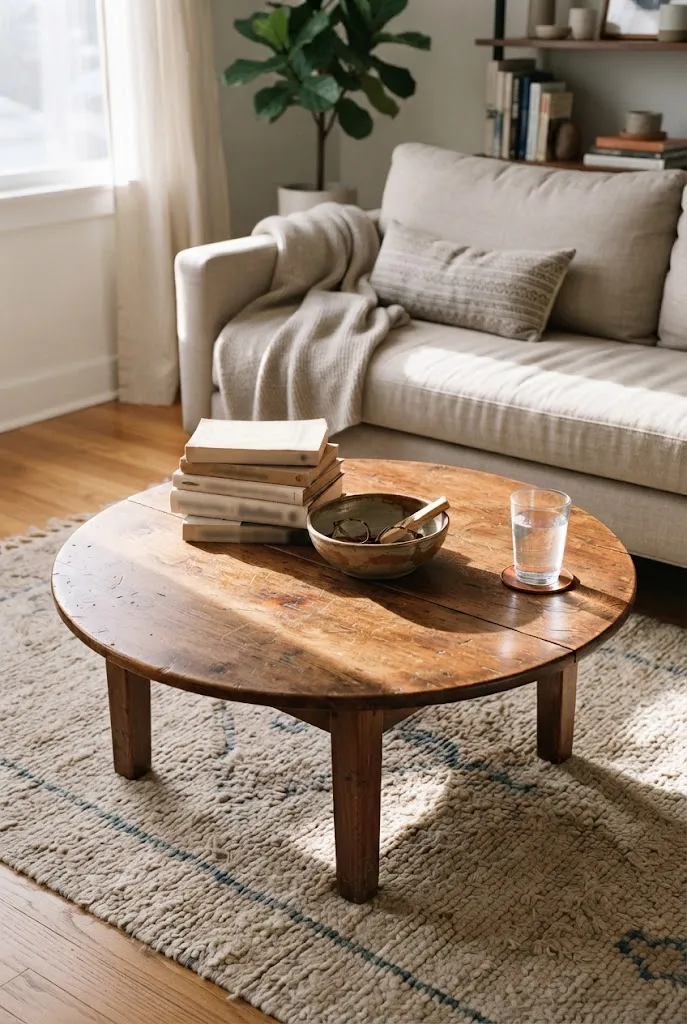
A thrifted or marketplace coffee table brings warmth and age that new, flat-pack furniture often lacks. Look for solid wood with good proportions rather than perfect condition; small scratches add to the lived-in feel. In a small room, a round or oval shape makes walking around it easier. If the finish is worn, a quick clean and a coat of furniture wax can refresh it.
9. Create a Landing Zone Near the Front Door
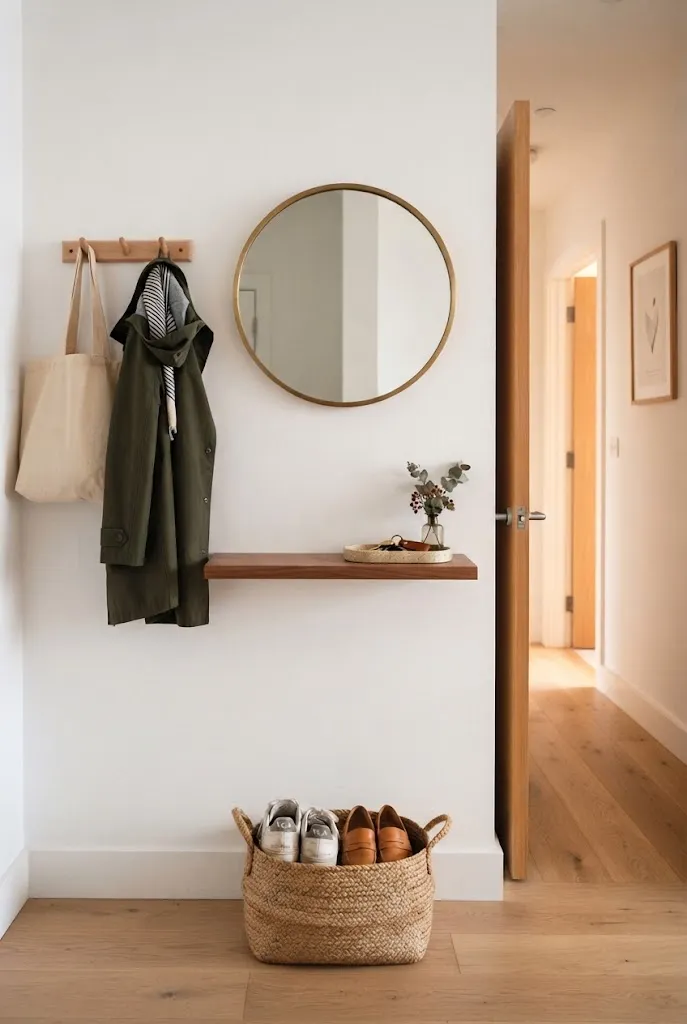
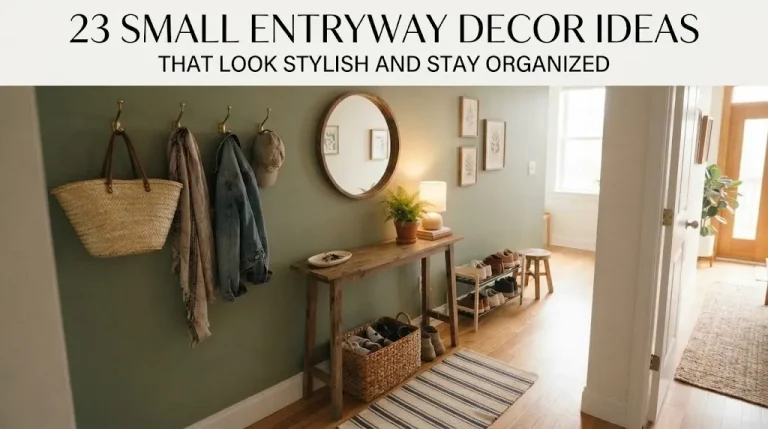
Even a tiny entry benefits from a defined spot for keys, bags, and shoes. A slim console or narrow bench, a wall hook rail, and a small tray are enough. The tray holds the daily items so they don’t scatter across the kitchen counter. A mirror above completes the setup and gives you a last glance before leaving.
- Slim shelf or console, ideally under 12 inches deep
- Hook rail for coats and totes
- Small basket for shoes or gloves
- Wall mirror to bounce light
10. Use Peel-and-Stick Wallpaper Behind the Bed
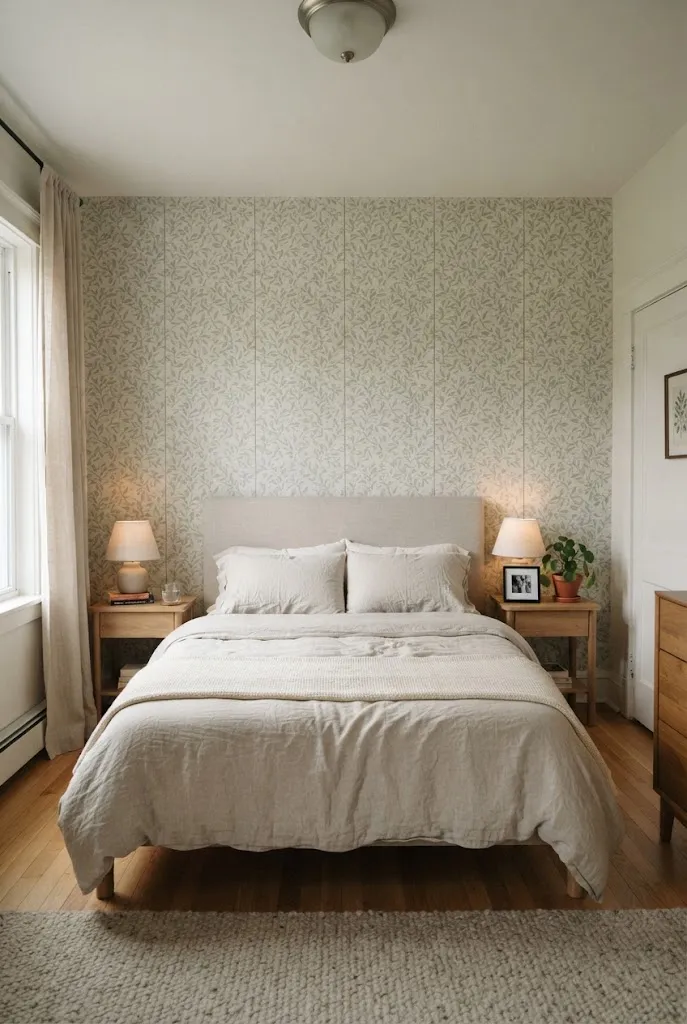
A single wallpapered wall adds warmth and replaces the need for a headboard. Choose a soft pattern, such as a subtle texture, a muted botanical, or a faint stripe, rather than something high-contrast that dominates a small bedroom. Peel-and-stick products are designed to come off, but removal results vary with wall paint and age, so test a small hidden area first.
Common Mistake: Choosing a bold, large-scale print for a very small room.
Better Approach: Pick a quieter pattern, and let bedding add the contrast.
11. Style the Kitchen Counter So It Feels Lived-In
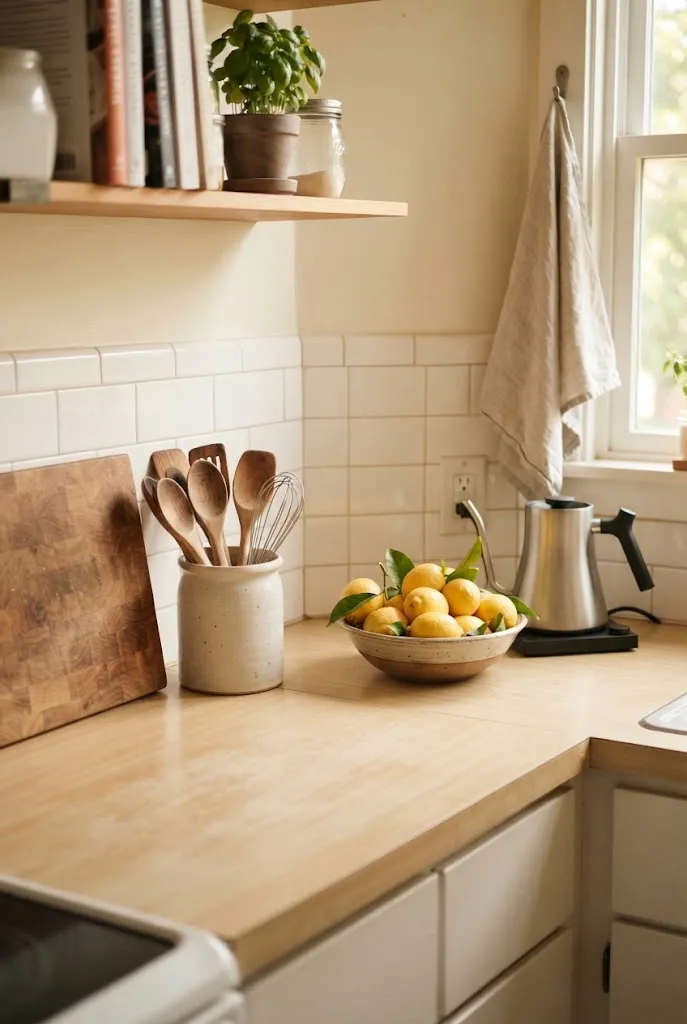
Rental kitchens can look sterile. A wood cutting board leaned against the backsplash, a ceramic crock for utensils, and a small bowl of fruit make the space feel used and welcoming. Keep most of the counter clear so you still have working space, and group items in threes at different heights.
12. Bring In One Tall Plant in a Woven Basket
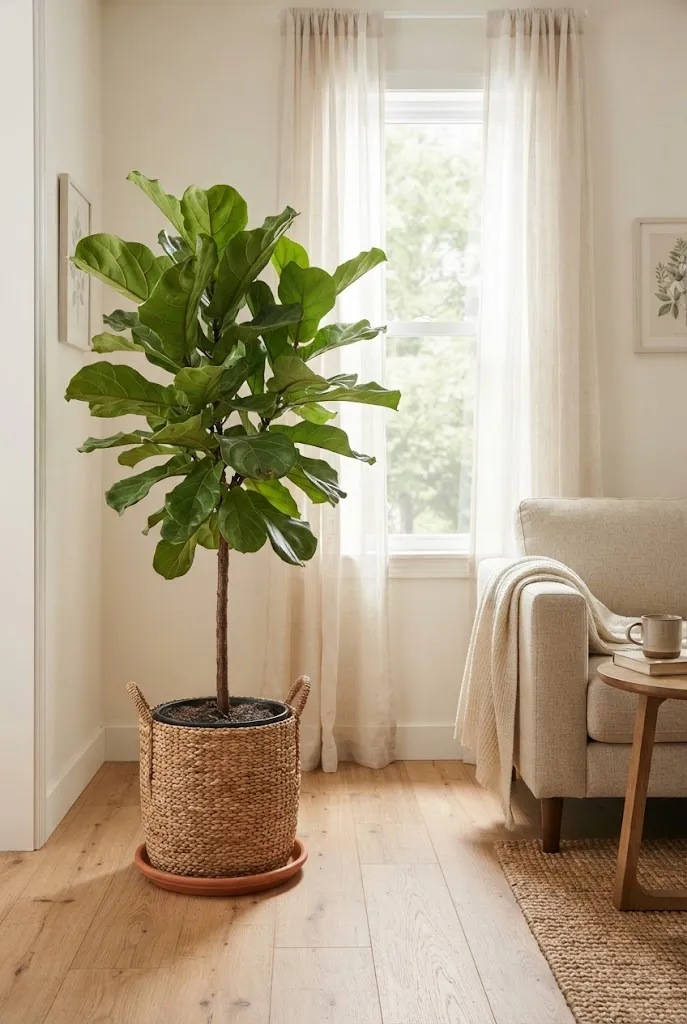
A single large plant adds height and softness to a corner that otherwise feels empty. Match the plant to your actual light: a bright window supports more options than a dim corner. Slip the nursery pot inside a woven basket with a drainage saucer underneath, so water never touches the floor.
Editor’s Note: If you travel often or forget to water, a hardy plant suited to your light level is a better choice than a showy one that struggles.
13. Carve Out a Reading Corner With One Good Chair
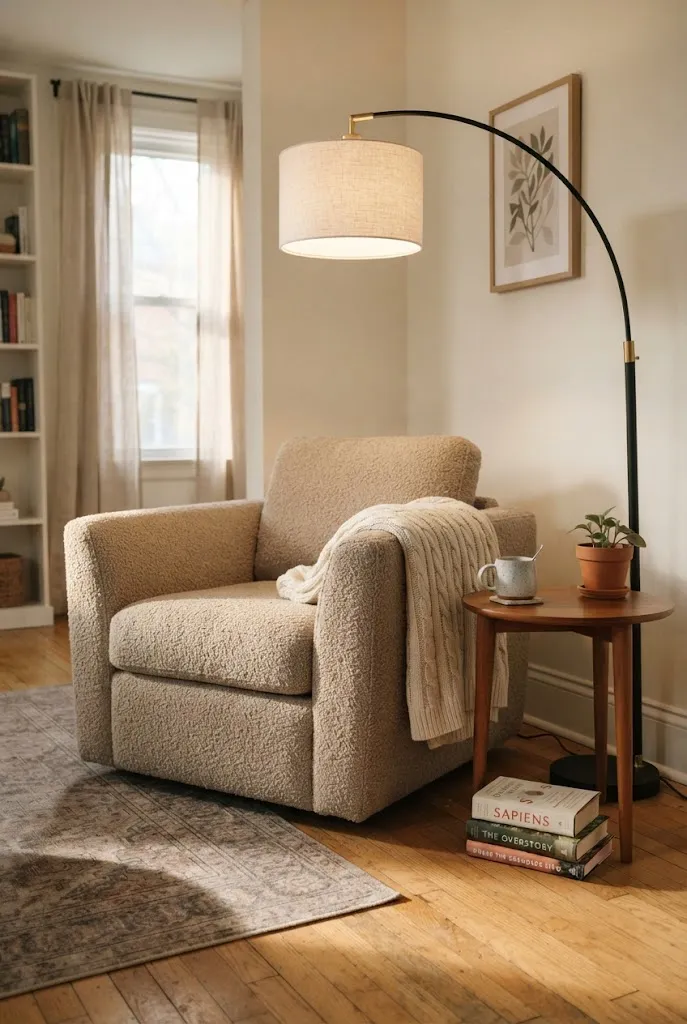
You don’t need a separate room for a cozy corner. One comfortable armchair, a floor lamp arcing over the shoulder, and a small side table for a mug are enough. Angle the chair slightly toward the room rather than pushing it flat against the wall. A small stack of books and a throw over the arm completes it.
14. Turn a Small Bar Cart Into a Coffee or Tea Station
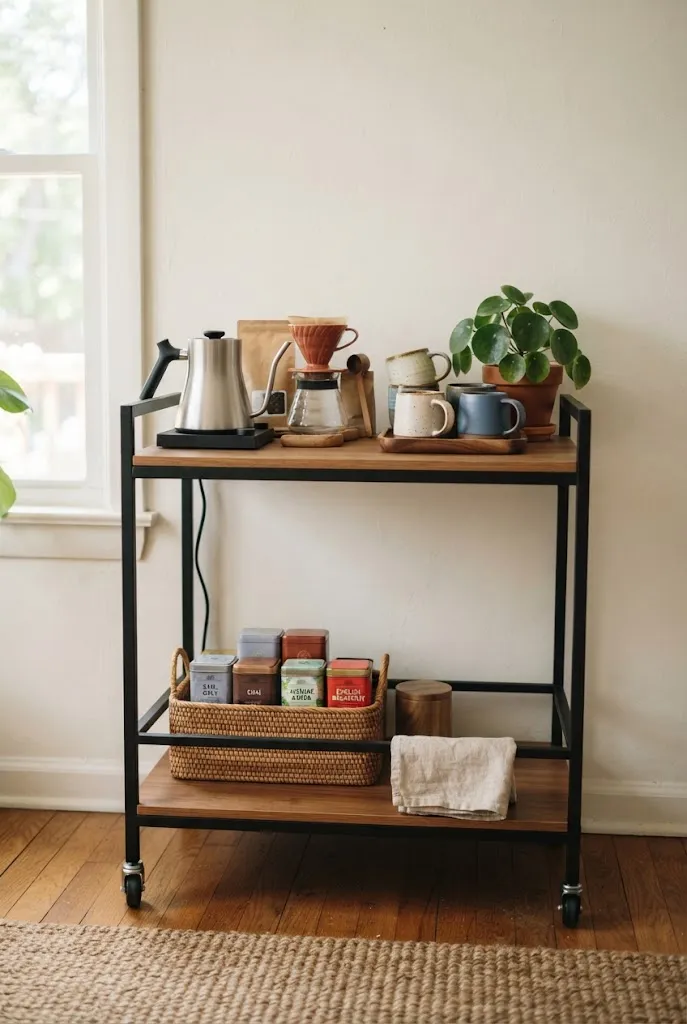
A compact cart makes a flexible serving spot in a studio or one-bedroom. Use the top for a kettle or coffee maker, a tray of mugs, and a plant or small lamp, and the lower shelf for extra storage. It can roll to the sofa when you’re hosting. Choose a metal or wood finish that echoes other furniture in the room.
15. Fit a Small Round Table Into a Dining Nook
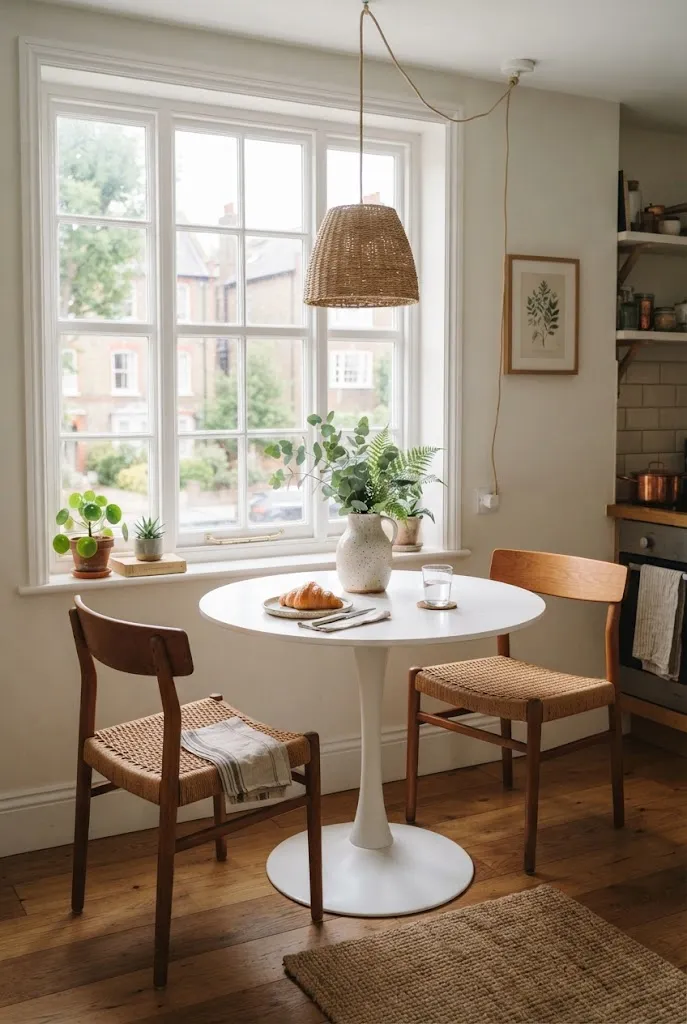
Round tables are forgiving in tight spaces because they have no corners to bump. A pedestal base leaves more legroom than four legs, so chairs tuck in neatly. Place it near a window and add a simple pendant or plug-in lamp nearby for evening meals. When you’re alone, it can double as a desk.
16. Use Under-Bed Storage to Clear the Floor
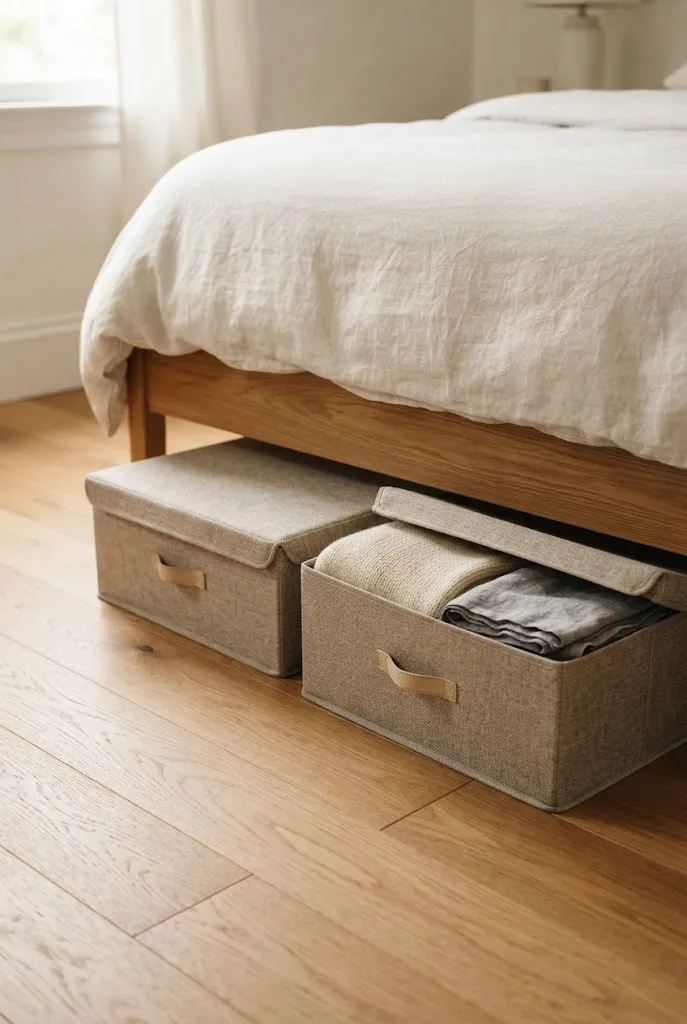
Bedroom floors fill up fast. Low, lidded storage boxes slide under a bed frame and hide off-season clothes, extra bedding, or shoes. If your bed sits close to the floor, consider bed risers to gain a few inches of space. Choose fabric or woven boxes in a color that blends with the bed skirt or frame.
17. Lean a Full-Length Mirror Opposite the Window
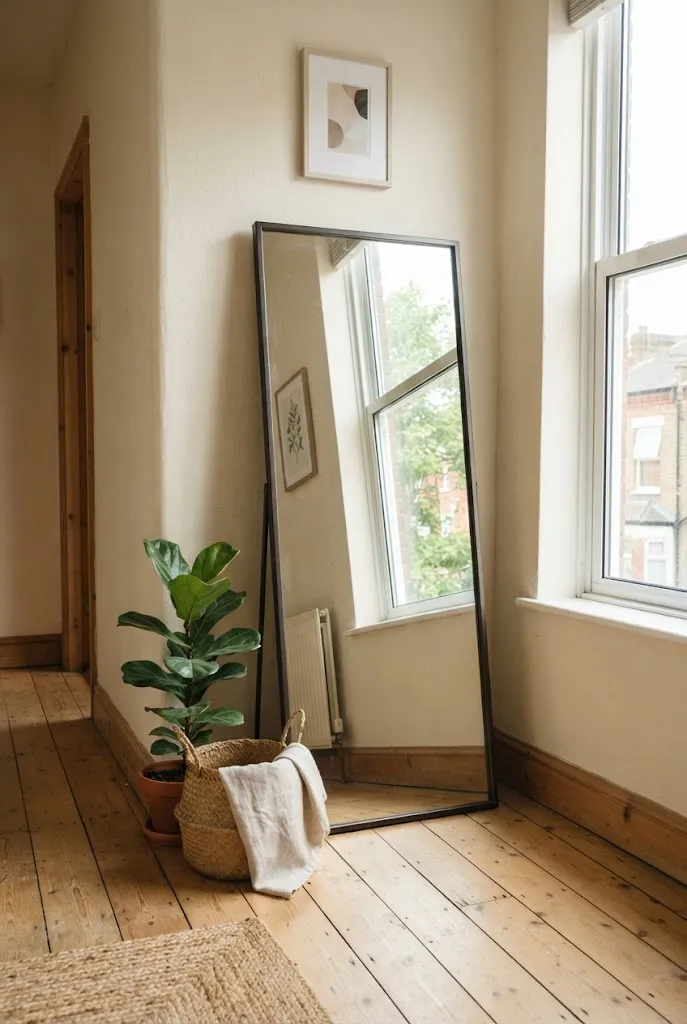
A tall mirror reflects daylight deeper into the room and makes narrow areas feel wider. Place it where it catches a window’s light rather than a blank wall. Leaning it against the wall avoids drilling, but secure the base so it can’t shift, especially around pets or kids.
Quick Facts
Best For: Dark or narrow rooms
Investment: Accessible to moderate
Visual Effect: More light and perceived depth
18. Mix Pillows in a Limited Palette
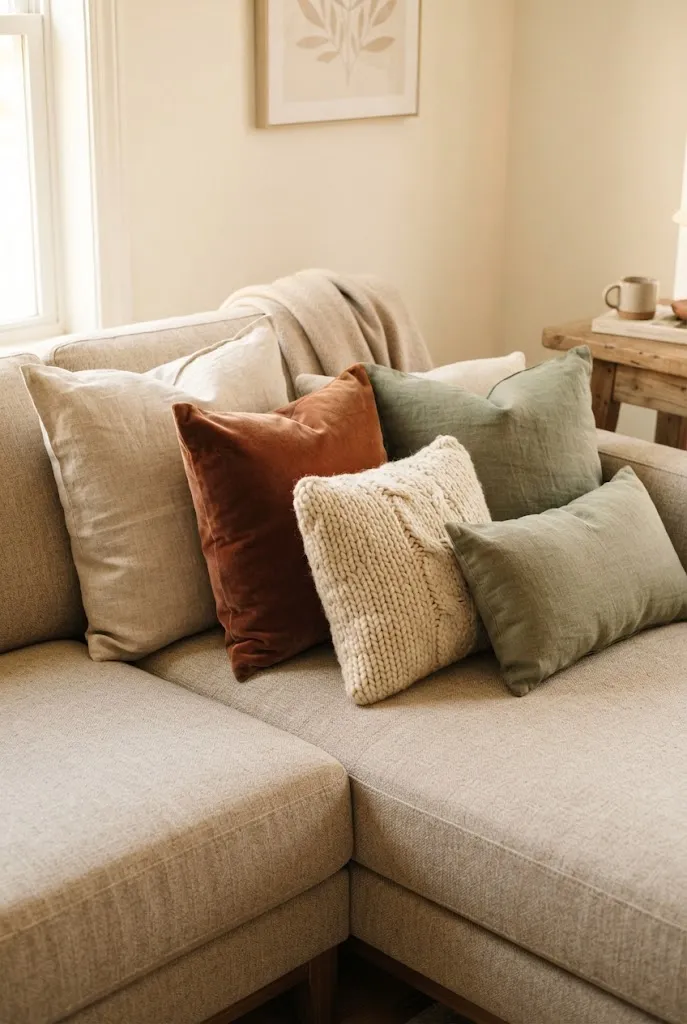
Throw pillows are the fastest way to introduce color and texture without commitment. Pick two or three colors from your rug or art and vary the textures: one linen, one velvet, one knit. Mix sizes too, and avoid buying a matching set of four. Insert-fill matters; a plump feather-alternative insert holds shape better than a thin one.
19. Soften a Plain Bathroom With Textiles and Wood
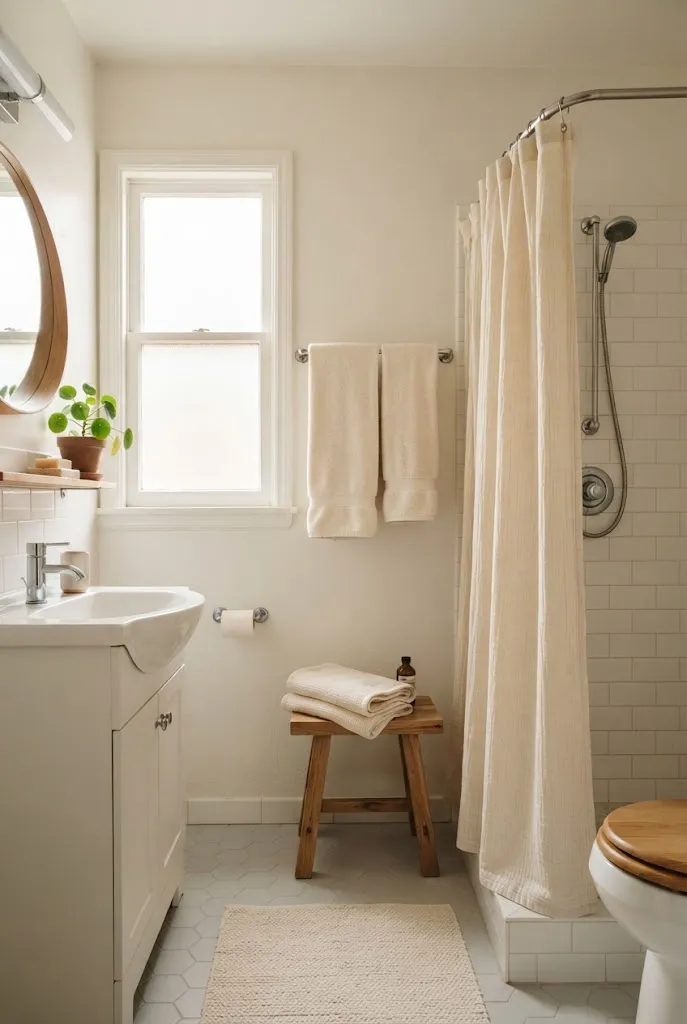
Even a basic builder bathroom can feel more welcoming with a few small swaps. Replace a plastic shower curtain with a textured fabric one, add a wood or bamboo bath tray or stool, and hang thick, matching towels. A small plant that tolerates humidity can sit on the counter if there’s a window.
- Textured shower curtain liner and curtain
- Wood stool or shelf accent
- Matching towels in two tones
- One small plant or a jar of cotton rounds as decoration
20. Set Up a Candle Vignette on a Nightstand
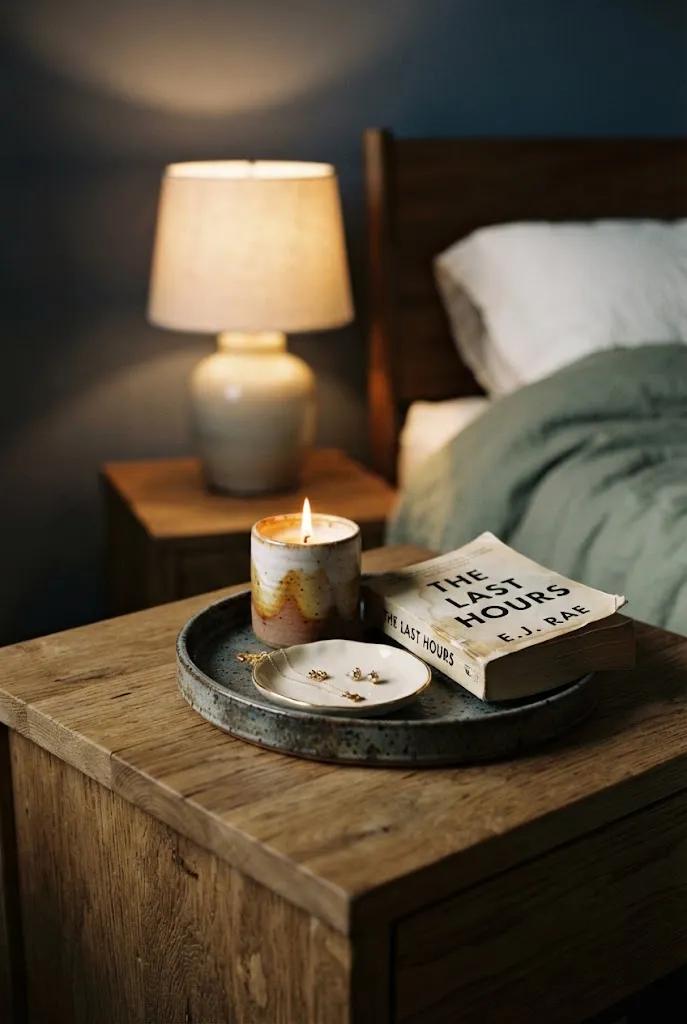
A small tray keeps nightstand items organized and looks deliberate. Group a candle, a small dish for jewelry, and a book on top. Candles bring warm, flickering light, but use stable holders and never leave a flame unattended or near fabric. If open flames aren’t allowed in your building, a rechargeable lamp does a similar job.
21. Style a Picture Ledge Above the Sofa
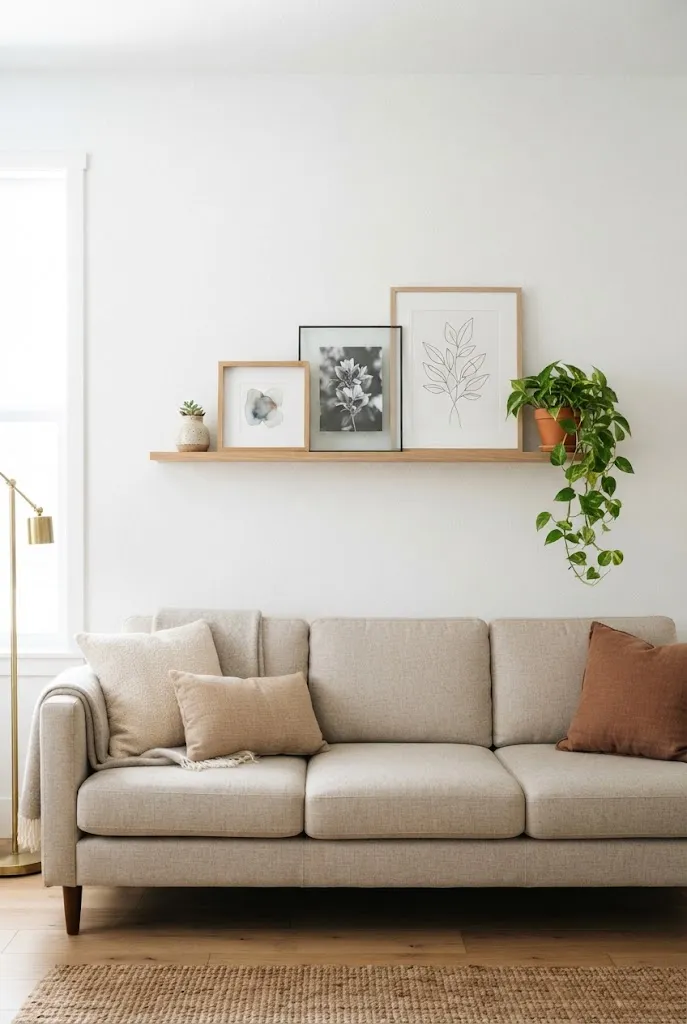
A picture ledge holds frames without repeated nail holes, since you only mount the shelf itself. Layer a few frames of different sizes, lean one against the wall, and add a small object or plant. Rearrange as you collect art. Leave some breathing room instead of filling every inch.
22. Hang a Woven or Textile Wall Piece Above the Bed
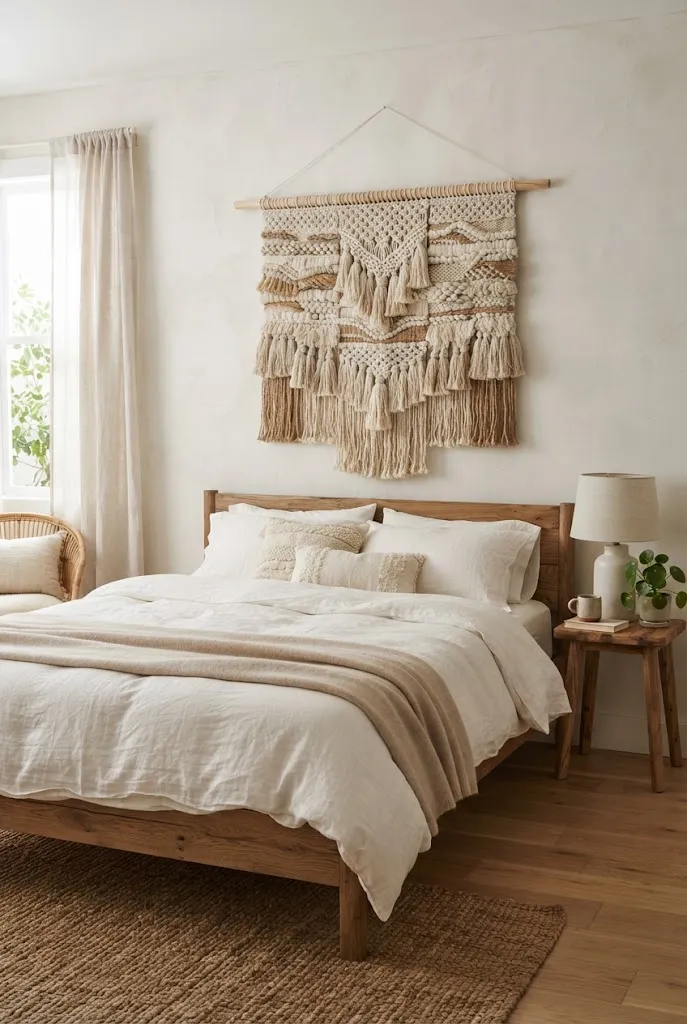
A textile piece brings texture and gentle sound absorption to a bedroom. Choose one that’s roughly two-thirds the width of the bed. Natural fibers like cotton, jute, and wool suit warm palettes. Lightweight pieces can hang from a removable adhesive hook, while heavier ones need proper wall anchors.
23. Make a Small Work Corner Feel Part of the Room
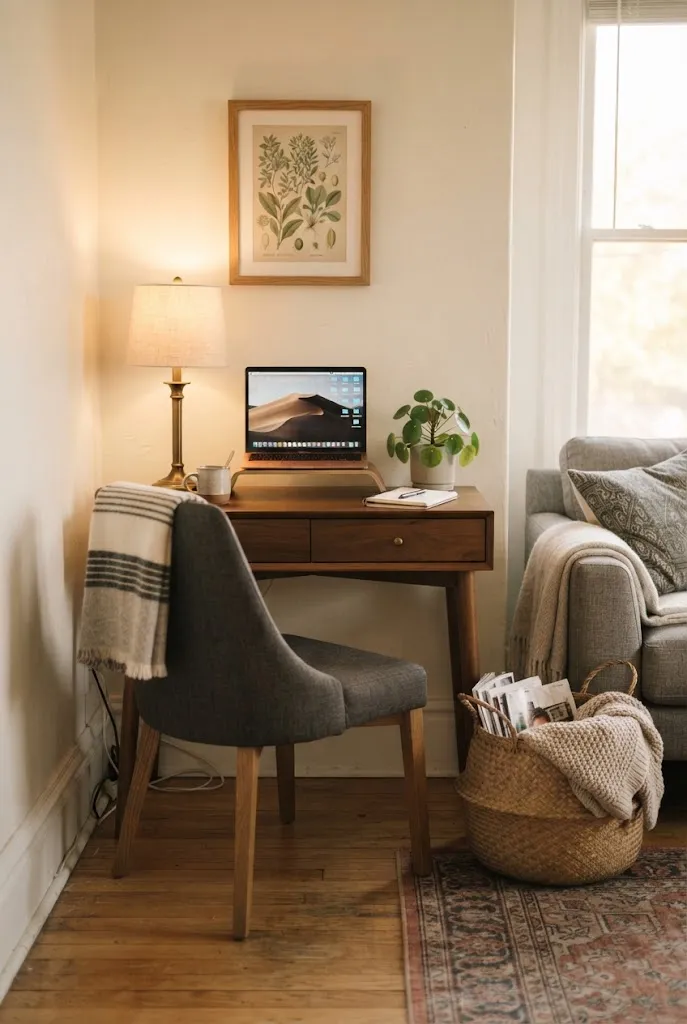
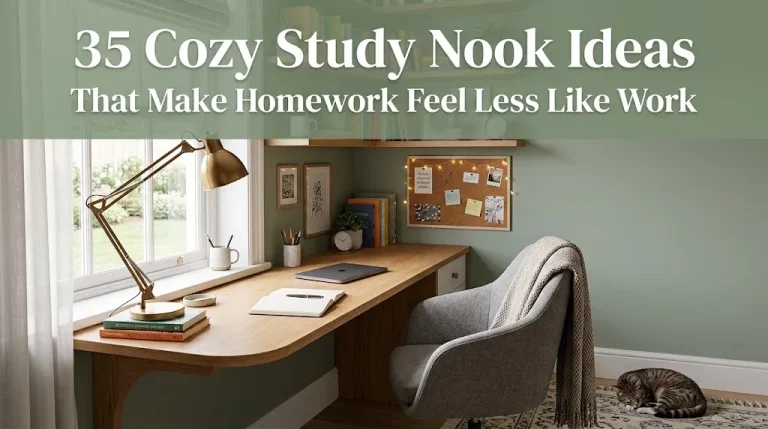
If you work from home, a desk that looks like furniture keeps the apartment feeling cozy after hours. A compact desk with a closed cabinet or drawers hides cords and paperwork. Use a lamp with a warm bulb for evenings, and keep a basket or tray to sweep everything into when you finish.
- Pick a desk that suits the room’s style.
- Hide cables with a clip or box.
- End each day by clearing the surface.
24. Choose a Warm Palette and Repeat It
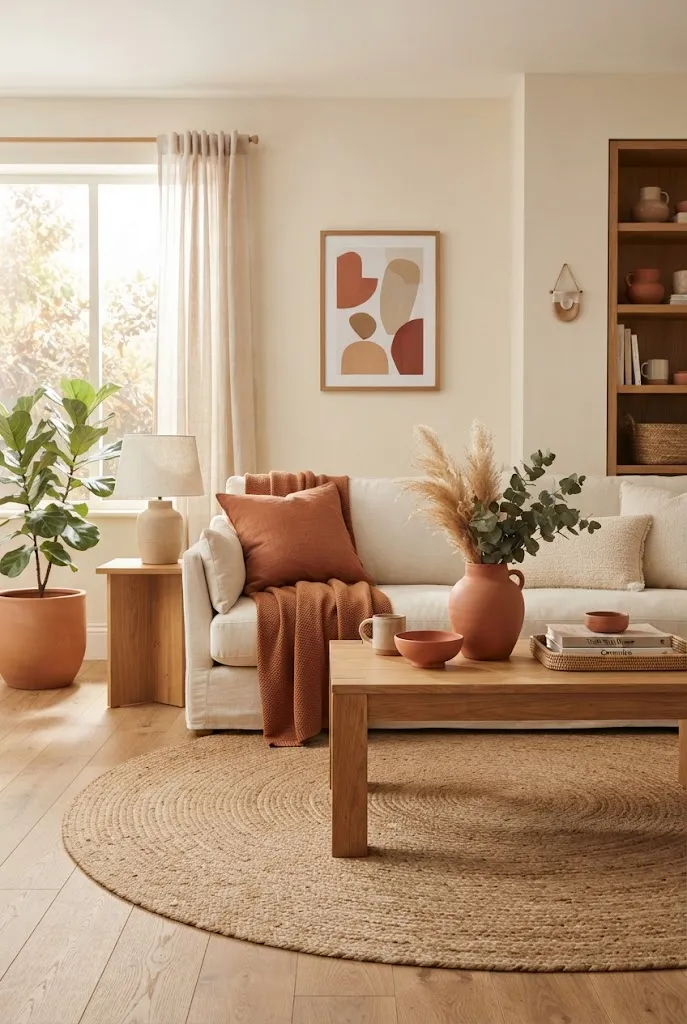
Cozy rooms usually repeat a few colors in different amounts. Try cream, terracotta, and warm wood, or soft sage with oatmeal and black accents. Pick a base for the large pieces, a secondary color for textiles, and an accent for small objects. Repeating shades across rooms makes a small apartment feel more cohesive.
25. Drape a Sheepskin or Faux-Fur Throw Over a Chair
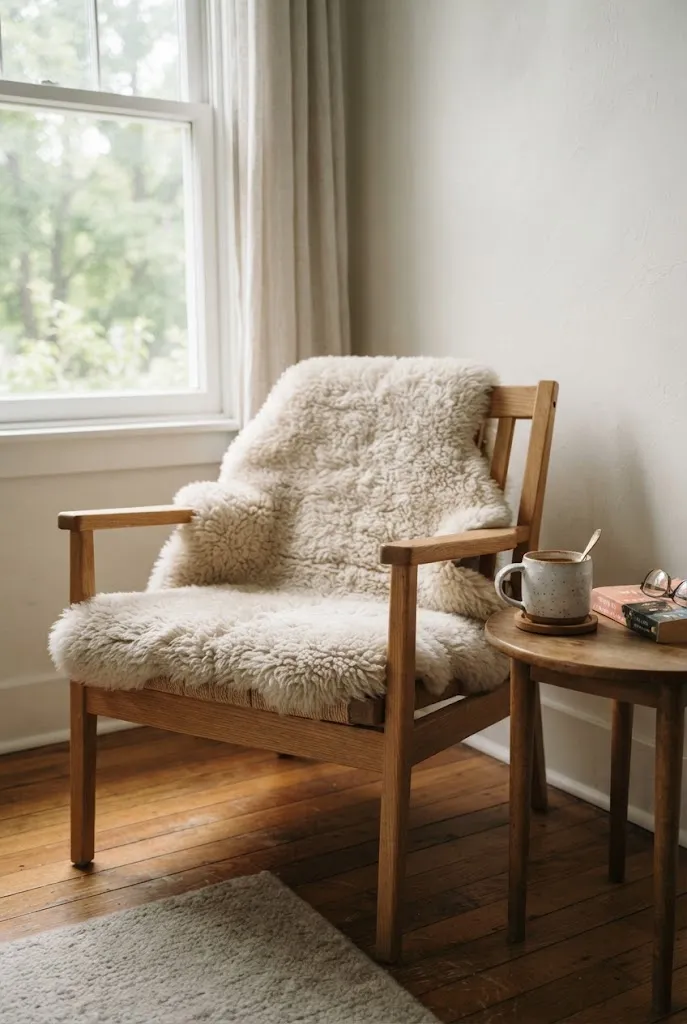
A soft throw draped over a chair or the end of a sofa adds instant tactile warmth. Sheepskin is natural and more of an investment; faux versions are lighter on the budget and easier to wash, depending on the label. It also protects a worn or plain chair seat and adds a layer of visual interest.
26. Frame a Window or Headboard Wall With Warm String Lights
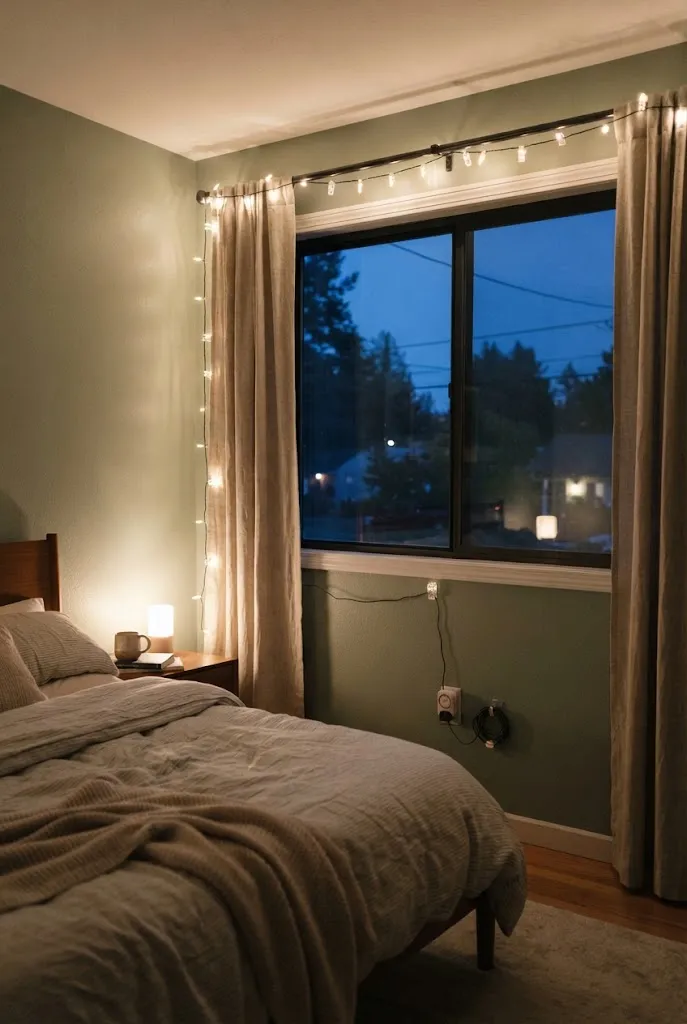
String lights can look cluttered or kitschy if overdone. A tidy approach is to run a single warm-white strand along the top of a curtain rod or behind a headboard. Use plug-in lights with a timer so you don’t have to remember to turn them off, and attach with removable clips rather than nails.
Do: Stay with warm white and a single strand.
Don’t: Mix colors or leave visible tangled cords.
27. Layer a Smaller Vintage-Style Rug Over Wall-to-Wall Carpet
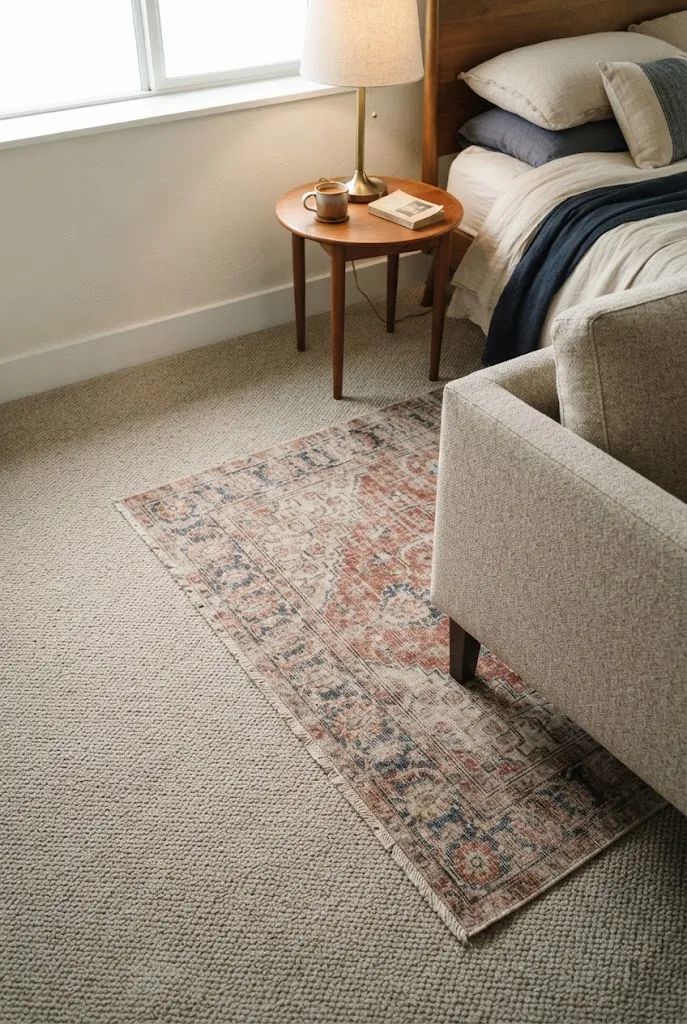
Many apartments come with neutral carpet that can feel bland. A smaller patterned rug placed on top defines a seating or sleeping zone and adds color. Choose a thin rug so it doesn’t bunch up. A rug gripper made for carpet helps stop it from creeping.
28. Pair a Lamp With a Short Stack of Books on a Side Table
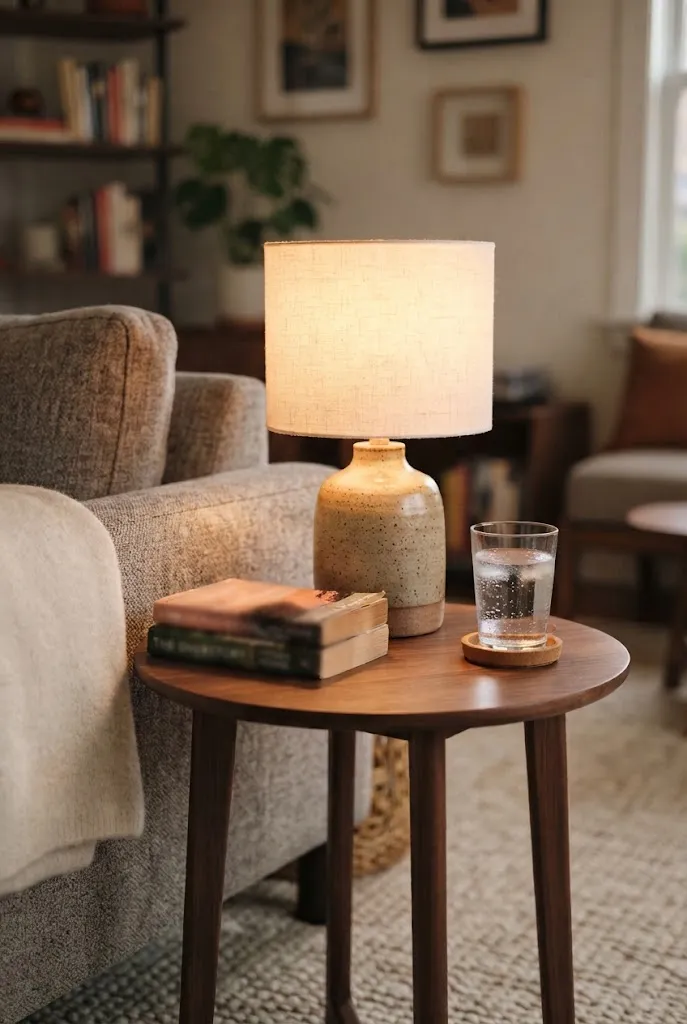
A simple vignette can make a plain side table feel considered. Stack two or three books, place a small lamp or candle on top, and add a coaster. Choose books with attractive spines or covers that suit your palette. It’s a low-cost styling trick that doubles as a place for a drink.
29. Use Nesting Tables Instead of One Fixed Side Table
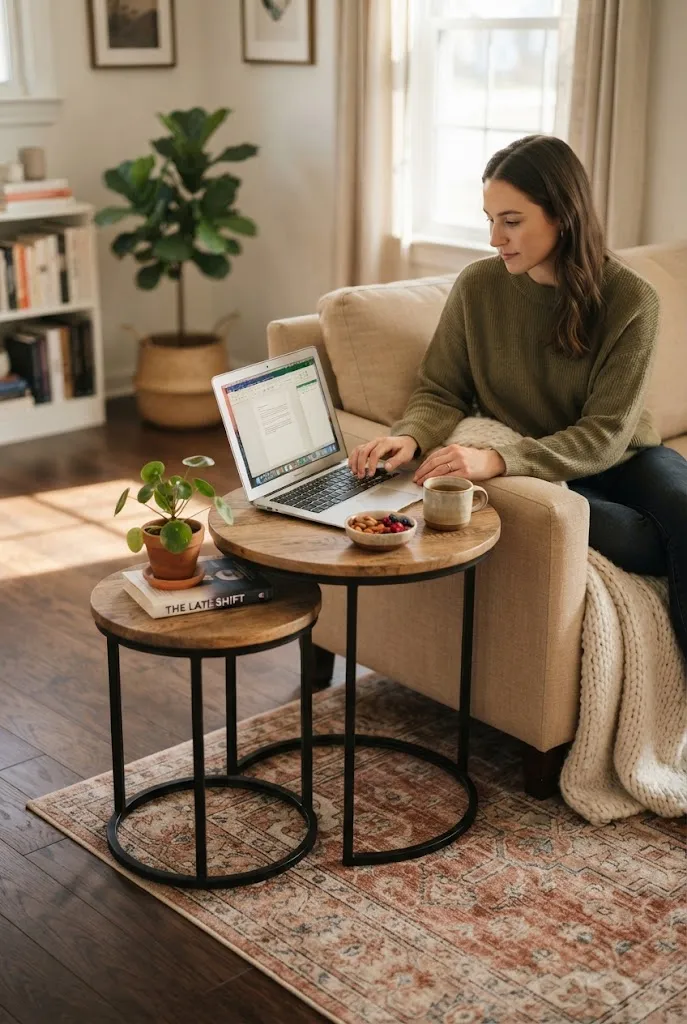
Nesting tables adapt to different uses in a small living room: pull one out for a snack or laptop, tuck it away when you need floor space. Choose two tones or materials, such as wood with black metal, so they read as a set without matching exactly. They’re also easy to move if you rearrange.
| Option | Advantage | Best Fit |
|---|---|---|
| Single side table | Simple, stable | Fixed seating arrangement |
| Nesting set | Flexible, saves space | Small or changing layouts |
30. Swap Cabinet Hardware, and Keep the Originals
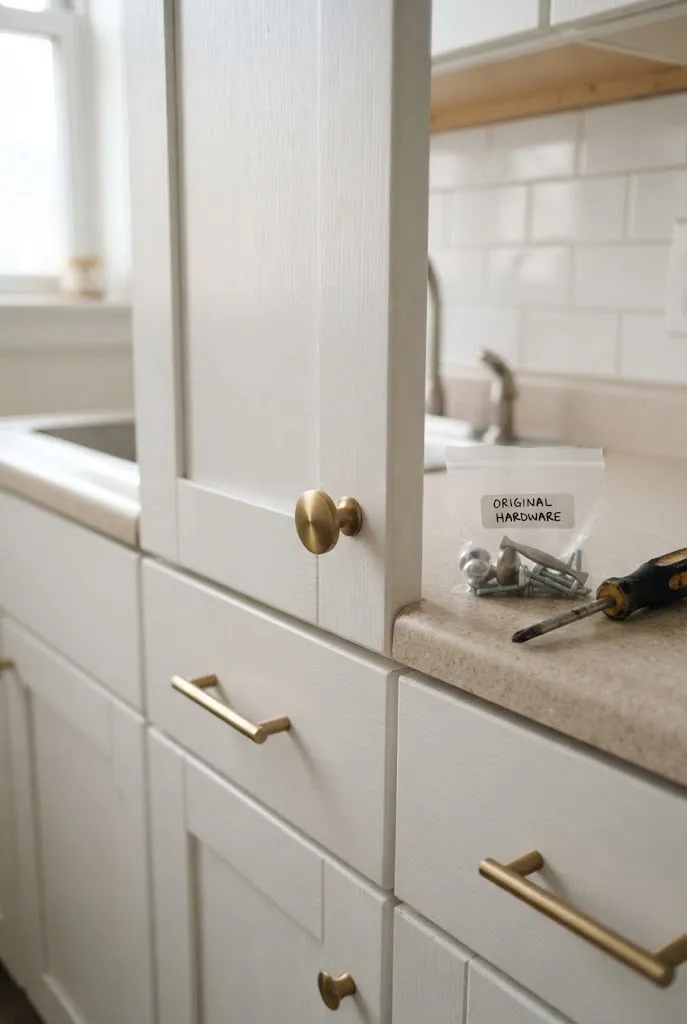
New pulls can make a plain kitchen or bathroom look more intentional. Check that the screw size and spacing match the existing holes, which avoids drilling. Brass, matte black, or ceramic knobs each shift the mood. Store the original hardware in a labeled bag so you can reinstall it before moving out.
Editor’s Note: Get your landlord’s okay in writing if the lease mentions changes to fixtures.
31. Invest Slowly in One Quality Sofa
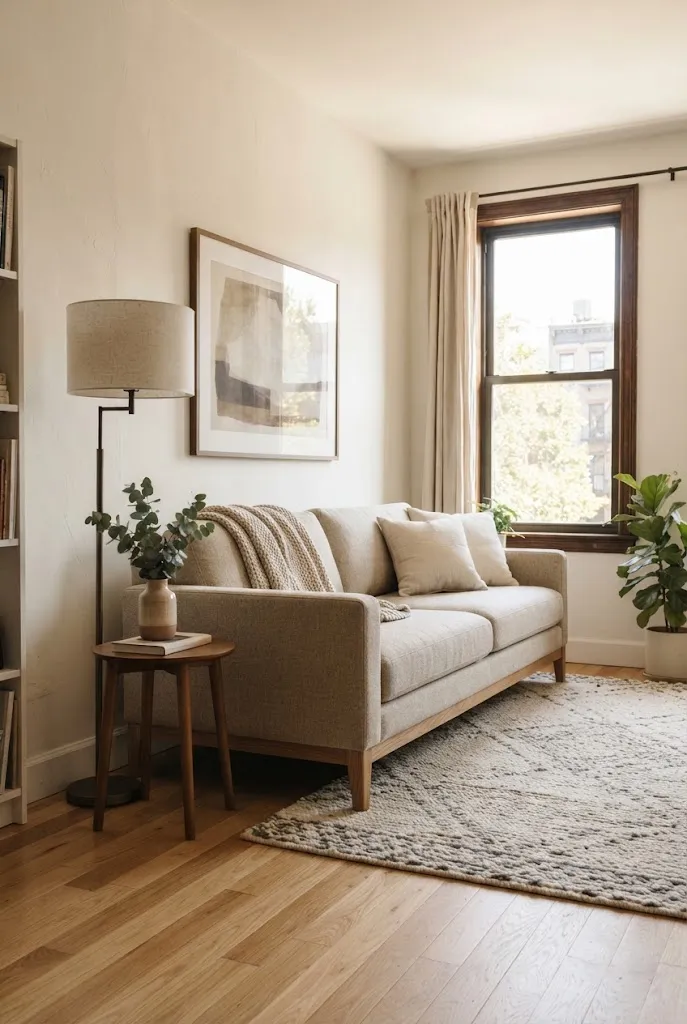
A sofa is the largest daily-use piece in the living room, so it’s worth saving for. Look at frame construction, cushion fill, and fabric durability rather than only style. A neutral, performance-type fabric hides everyday wear and works with future color changes. Measure doorways and stairwells before ordering so it actually fits.
- Check the frame and cushion details
- Choose a durable, easy-to-clean fabric
- Measure the room and the delivery path
32. Replace Rental Blinds With Woven Roman Shades
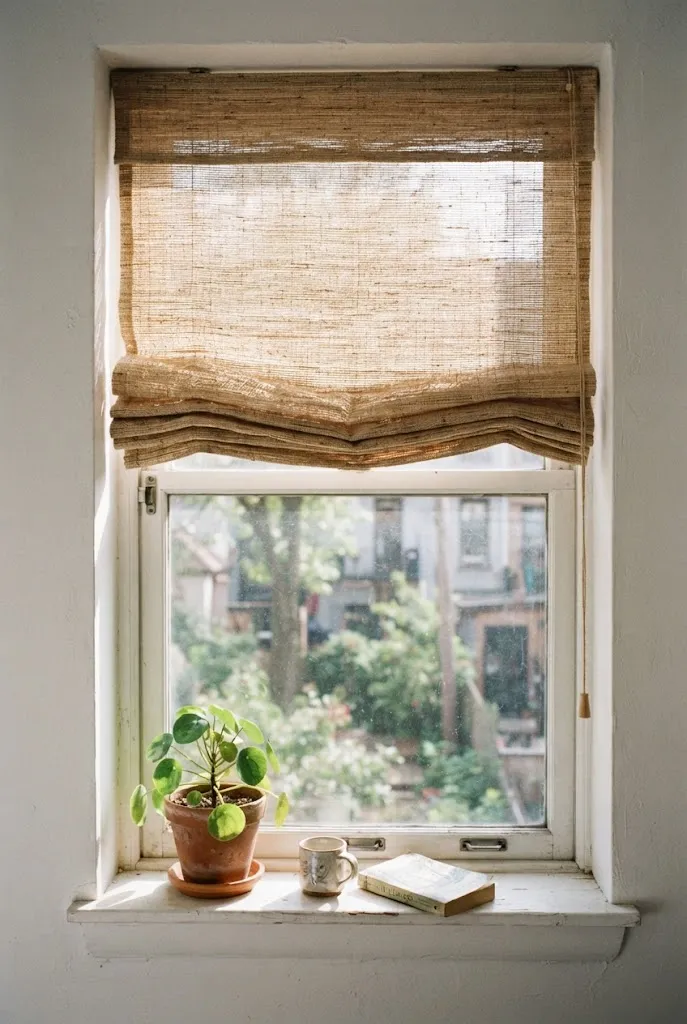
Plain vinyl blinds can make a window look temporary. Woven or fabric Roman shades filter light softly and add texture. Many inside-mount options fit within the window frame, so you can keep the original blinds and reinstall them later. Measure the width and height carefully before ordering.
Quick Facts
Best For: Living rooms and bedrooms
Investment: Moderate to premium, depending on custom sizing
Visual Effect: Softer, more finished windows
33. Curate a Shelf of Objects You Actually Love
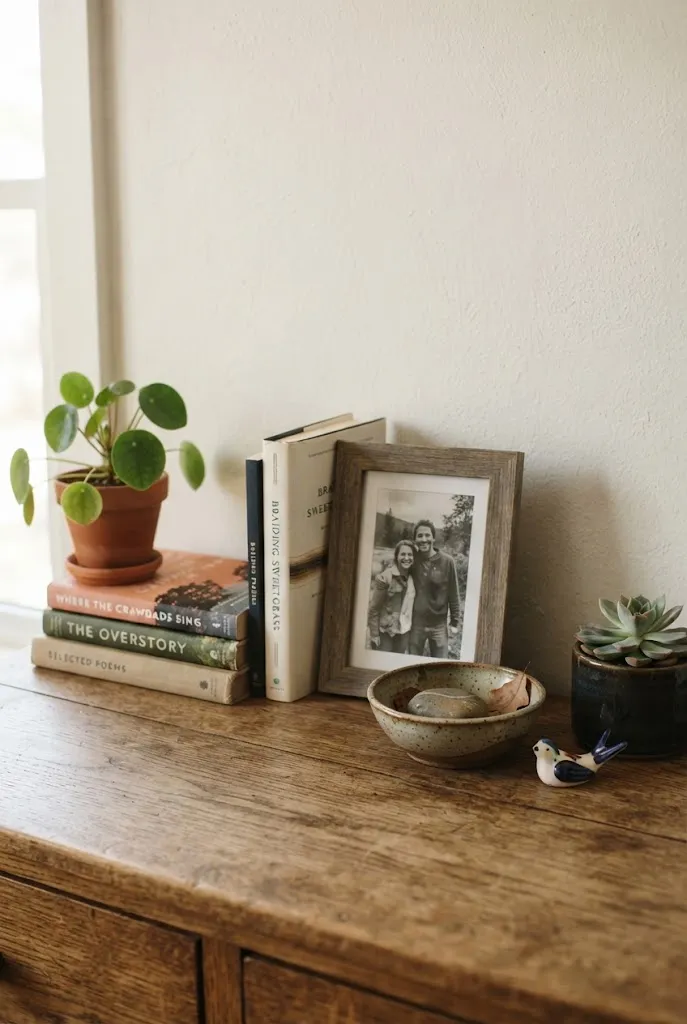
The final layer is personal. Choose a shelf or dresser top and fill it with things that mean something: a travel souvenir, a framed photo, a handmade ceramic piece, a favorite book. Vary the heights and leave open space around each item. This is what separates a decorated apartment from one that feels like yours.
Where to Start
You don’t need to do all 33 at once. Begin with lighting and the bed, since they change how the apartment feels every single day. Add a rug and curtains next, then work through storage and wall styling as you learn how you actually use the space. Save larger purchases like the sofa for when you’ve lived there long enough to know what you need. A cozy first apartment is built gradually, one comfortable decision at a time.