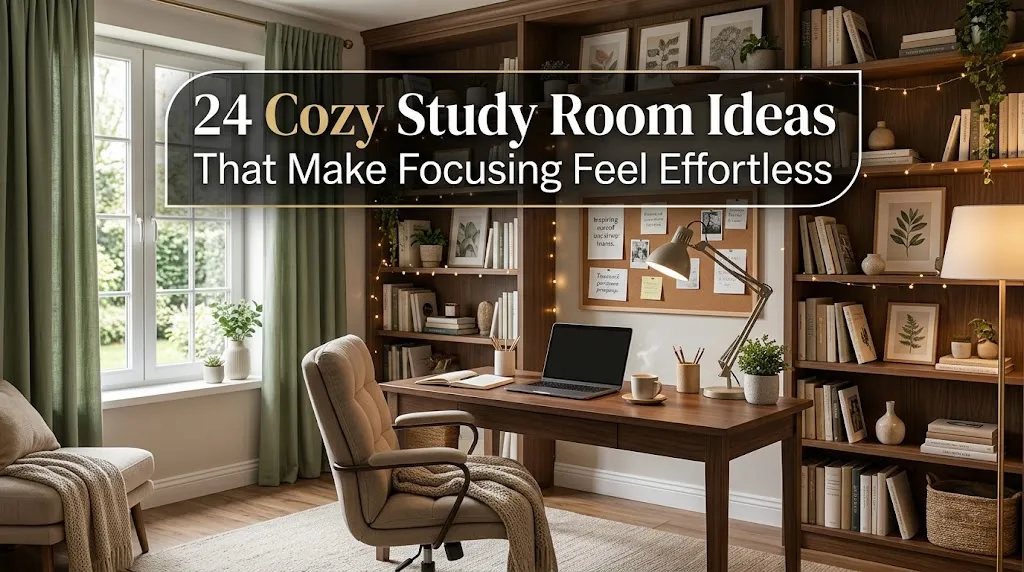
24 Cozy Study Room Ideas That Make Focusing Feel Effortless
A study room works when you actually want to sit in it. The best ones aren’t the most expensive or the most photogenic. They get a few things right: comfortable seating, light that doesn’t strain your eyes, a surface big enough for the task, and enough warmth that you don’t feel like you’re doing time at a desk. These 24 cozy study room ideas cover spare bedrooms, hallway corners, closets, attic eaves, and open living spaces. Some cost almost nothing, others are worth planning around, and each one changes the feel of the room in a different way. Pick the ones that suit your square footage and the way you work, and borrow details freely.
1. Park the Desk Beneath a Bright Window
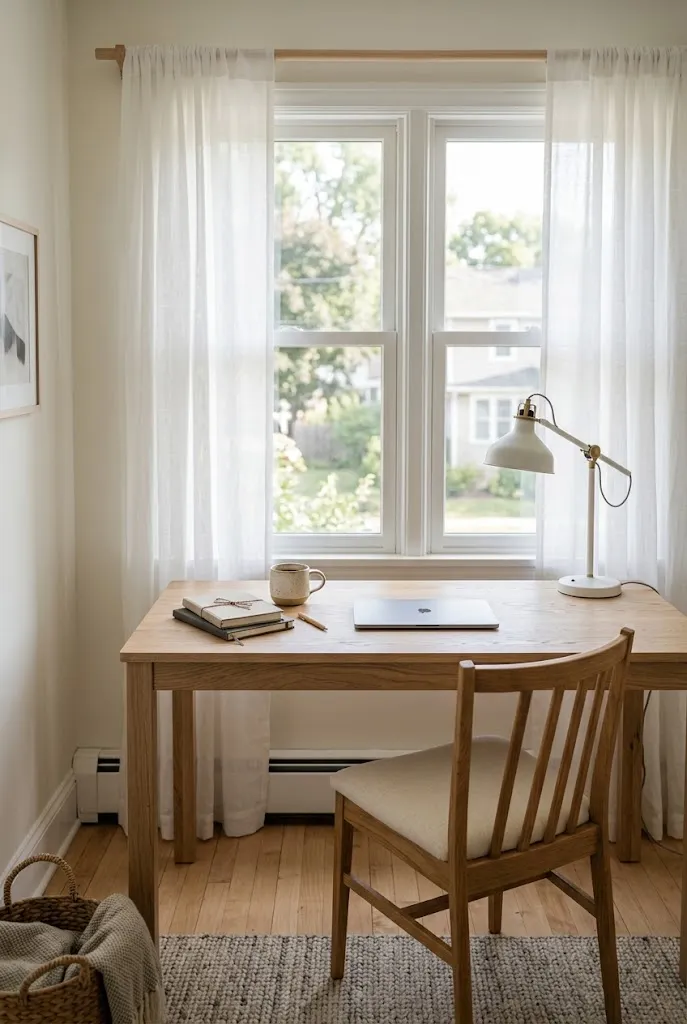
Natural daylight is the easiest way to make a study space feel calmer, and a desk set directly under or beside a window delivers it for free. Sheer linen curtains soften glare without blocking the view, and a pale wood or white desktop bounces light back onto your work.
Quick Facts
Best For: Spare bedrooms, apartments with one good window
Investment: Accessible
Visual Effect: Airy, open, and energizing without feeling cold
If the window faces west, add a light-filtering shade for late afternoon, when low sun can wash out a laptop screen.
2. Paint One Wall a Deep, Warm Green
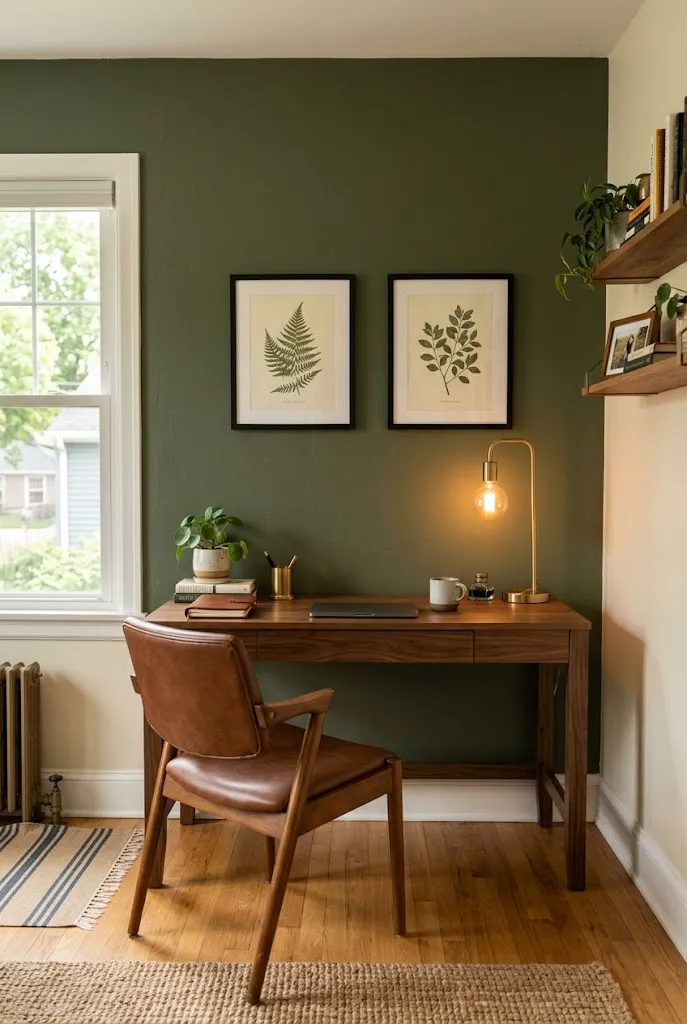
Color changes the mood of a study faster than furniture does. A muted forest or olive green behind the desk adds depth, and it pairs well with natural wood and brass without the heaviness of black or navy. Paint just the desk wall and keep the rest soft white or warm cream so the room doesn’t feel closed in.
- Choose a matte or eggshell finish to cut glare from lamps
- Frame two or three prints in thin wood frames rather than hanging many small pieces
- Keep the ceiling and trim light so the green reads as an accent
3. Add a Reading Chair Within Arm’s Reach of the Desk
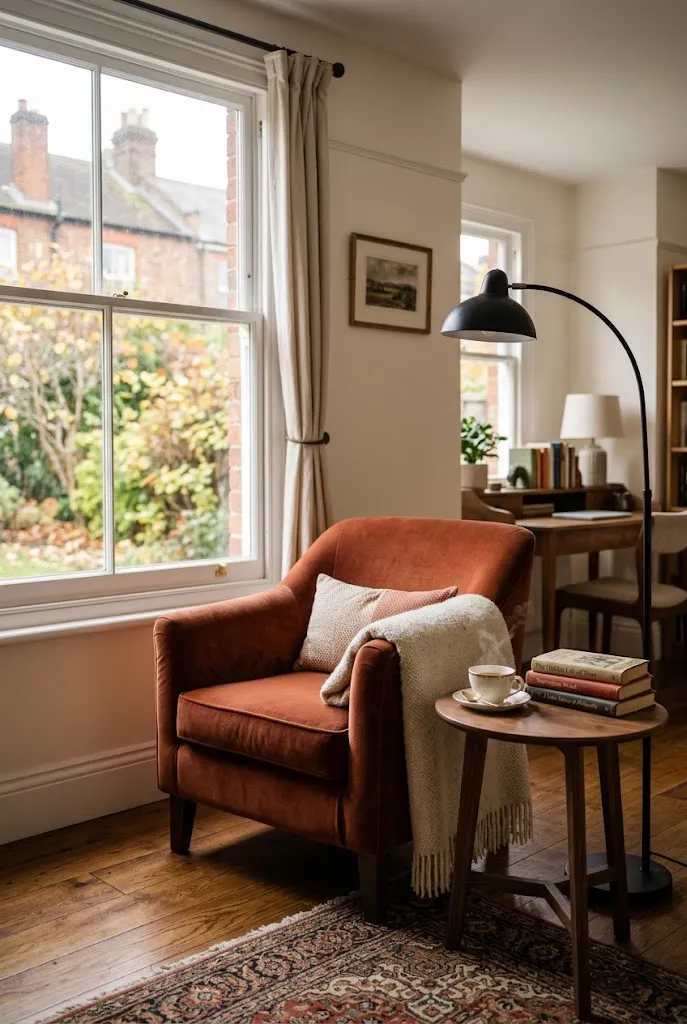
Long study sessions go better when you can change position. A small armchair with a side table gives you somewhere to read, annotate, or just rest your eyes without leaving the room. Angle the chair toward the window rather than directly facing the desk, so it feels like a separate zone.
- Choose a chair with a supportive back, since deep slouchy seats make focused reading harder.
- Place a slim side table within easy reach for a drink and a book.
- Add a floor lamp behind one shoulder so light falls onto the page.
4. Turn a Closet Into a Compact Study Nook
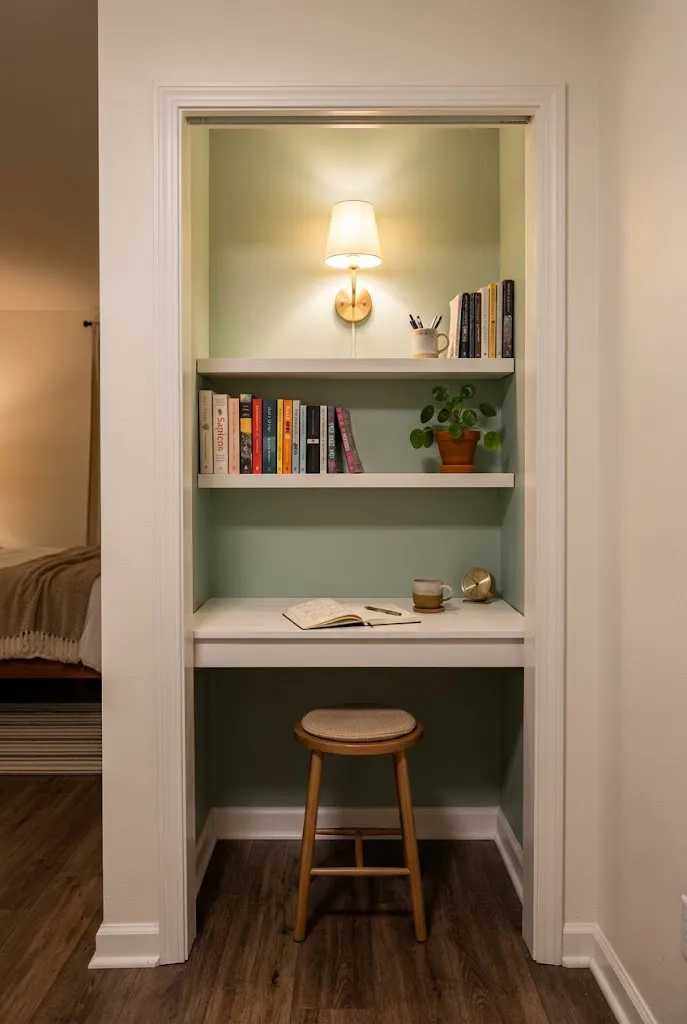
A reach-in closet with the doors removed is one of the most space-efficient study solutions in a small home. A shelf cut to desk height, a wall sconce or plug-in light, and a coat of paint inside turn dead storage into a defined workspace that you can close off, or leave open and tidy.
Editor’s Note: Measure depth first. A desktop around 20 to 24 inches deep is generally comfortable, but a closet that’s shallower than that may only suit a laptop. Check that you can slide a chair in and out without bumping door tracks.
5. Wrap the Desk in Built-In Bookshelves
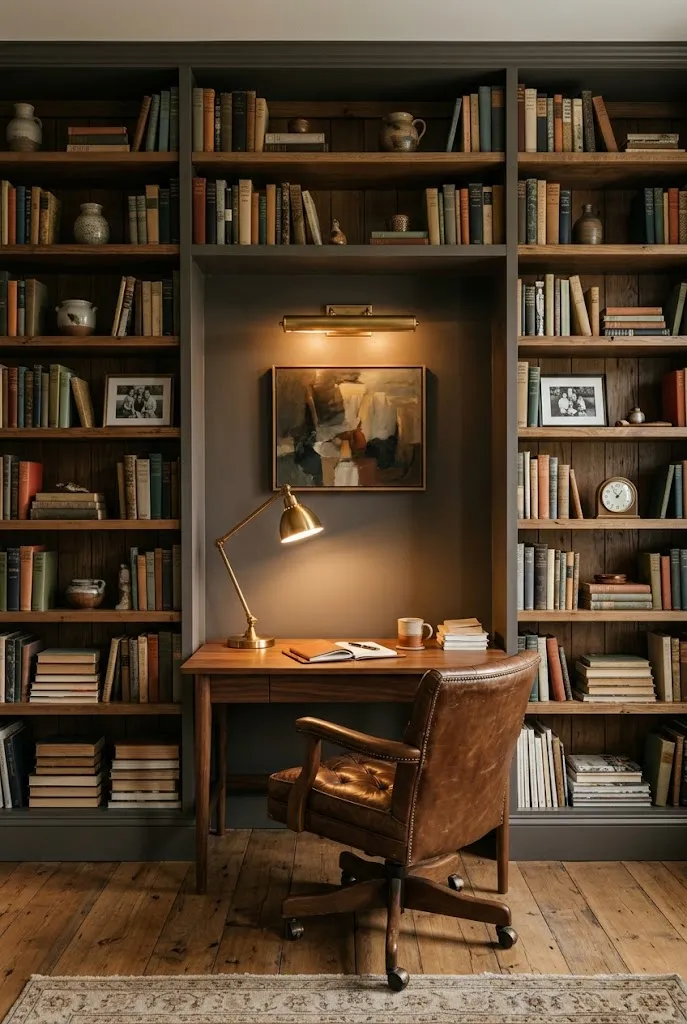
Shelves on both sides of and above the desk create a cocoon effect, so the books and objects around you do the work of making the room feel snug. Premium versions use custom millwork, but a pair of tall bookcases with a floating shelf bridging them gets a similar look for far less.
| Approach | Effect | Best Fit |
|---|---|---|
| Custom built-ins | Seamless, tailored look | Homeowners planning a long stay |
| Two bookcases plus a bridge shelf | Convincing built-in feel | Renters and budget-minded projects |
Paint the whole unit one color so it reads as architecture rather than furniture.
6. Use the Space Under the Stairs
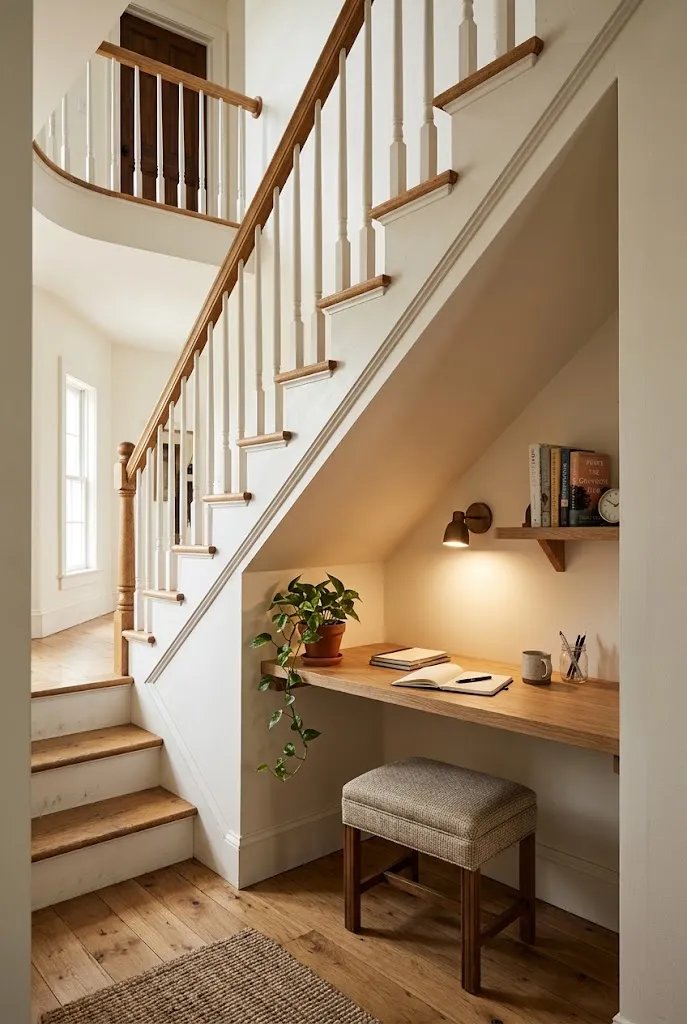
The triangular area beneath a staircase is often wasted. Fit a narrow desk into the lowest point, a low stool or compact chair where height allows, and a wall light overhead. The enclosed shape feels protected, which many people find helpful for concentration.
Common Mistake: Choosing a standard desk chair and hitting your head on the stair stringer.
Better Approach: Measure the lowest usable point and pick a seat height that clears it. A backless stool or a compact chair with a short back often works better here.
7. Layer Your Lighting Instead of Relying on One Lamp
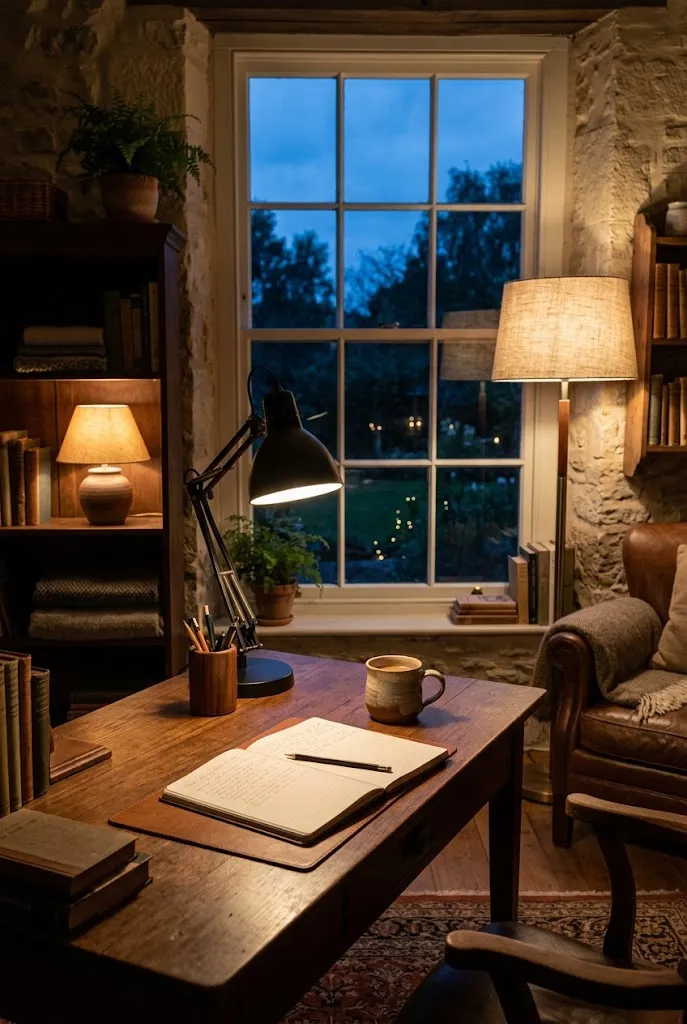
A single overhead fixture flattens a room and makes long evenings harder on the eyes. Combine three sources: a task lamp for the work surface, a floor lamp or sconce for general ambience, and one soft accent such as a small table lamp on a shelf. Aim for warm white bulbs so the room feels inviting rather than clinical.
Tips & Tricks
- Position the task lamp opposite your writing hand to avoid shadows on the page
- Use dimmable bulbs or smart plugs to shift from focus mode to wind-down
- Choose fabric or frosted shades to soften harsh bulb glare
8. Build a Cork and Linen Pinboard Wall
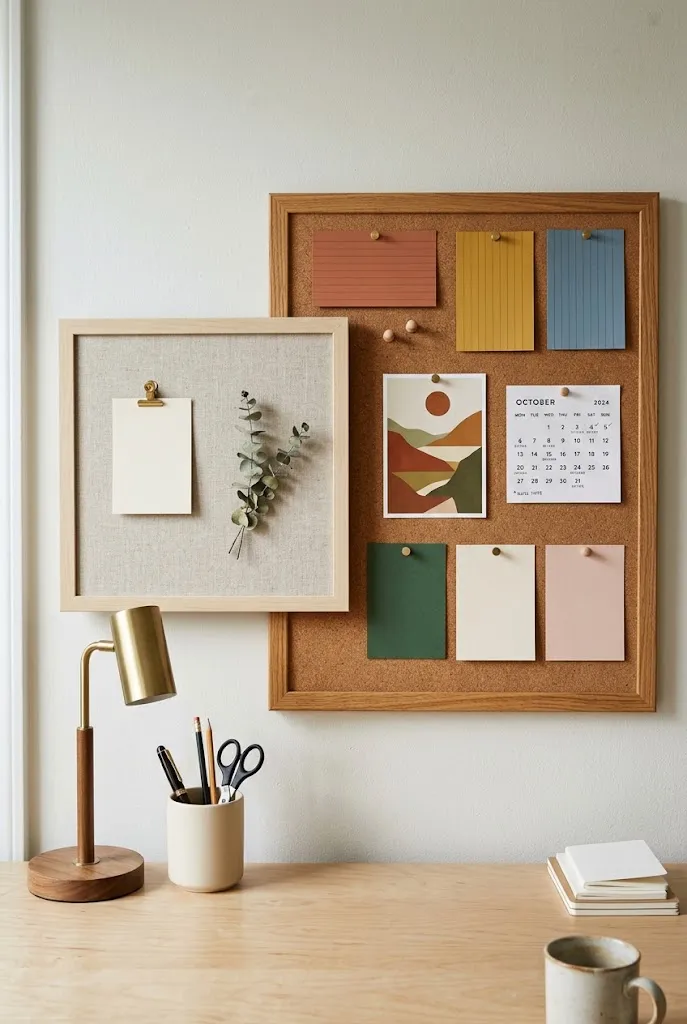
Pinboards keep schedules, reminders, and inspiration in view without cluttering the desktop. A large cork panel framed in wood, or a linen-wrapped tackboard, looks more intentional than a scatter of sticky notes. Keep it visually calm by limiting pinned items to what you’re actively using.
9. Set Up a Shared Table for Two
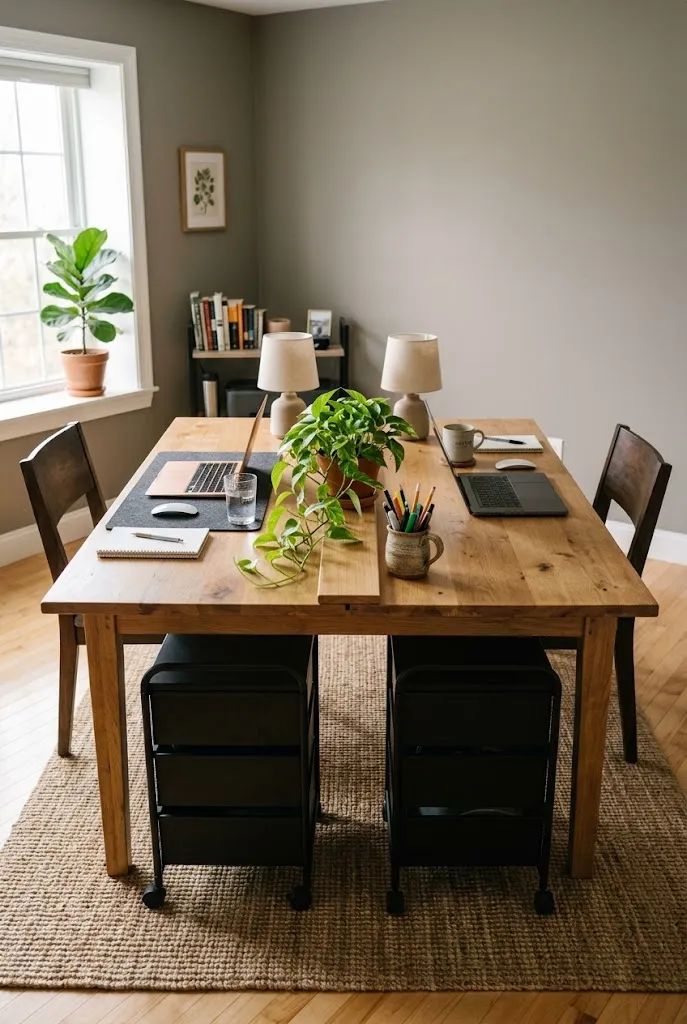
A long table or two desks pushed together suits couples, roommates, and siblings who study side by side. Give each person their own lamp and a small drawer unit so personal supplies don’t mix. A shared center strip for plants and a pencil cup ties the setup together.
Quick Facts
Best For: Couples, roommates, work-from-home pairs
Investment: Accessible to mid-range
Visual Effect: Collaborative, warm, and organized
10. Embrace the Slope of an Attic Study
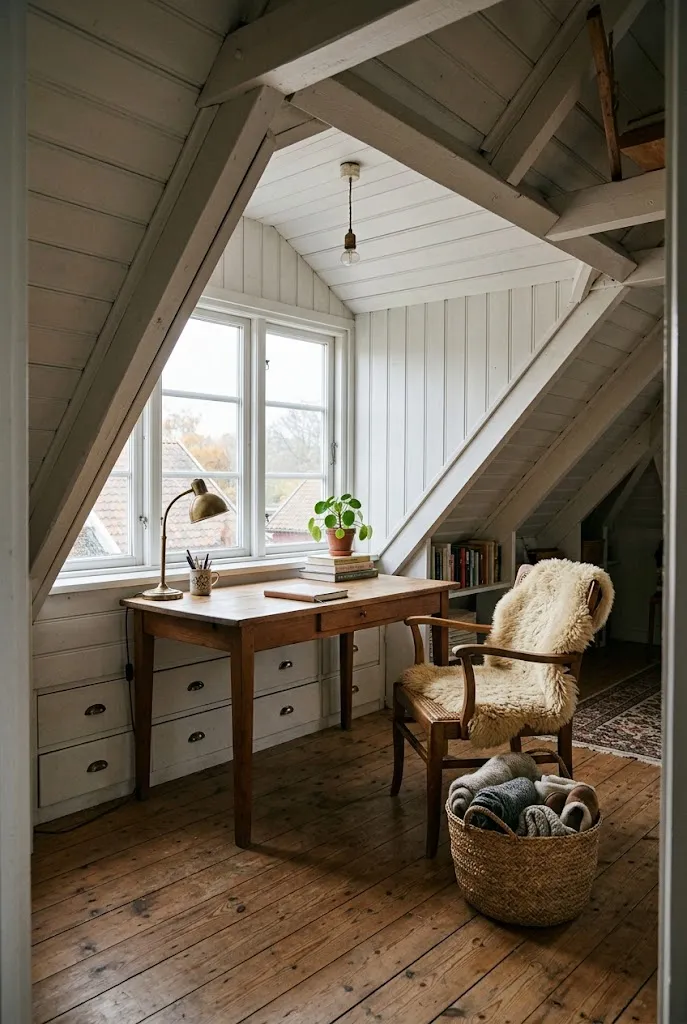
Sloped ceilings can make a study feel like a hideaway. Place the desk where headroom is comfortable, use the low sides for built-in storage drawers, and let the angled walls handle the coziness. A skylight or dormer window transforms the space during the day.
Do: Keep the paint light and use wall-hugging storage under the eaves.
Don’t: Put tall furniture against the shortest wall or crowd the headroom zone with bulky pieces.
11. Divide a Bedroom With a Low Bookcase
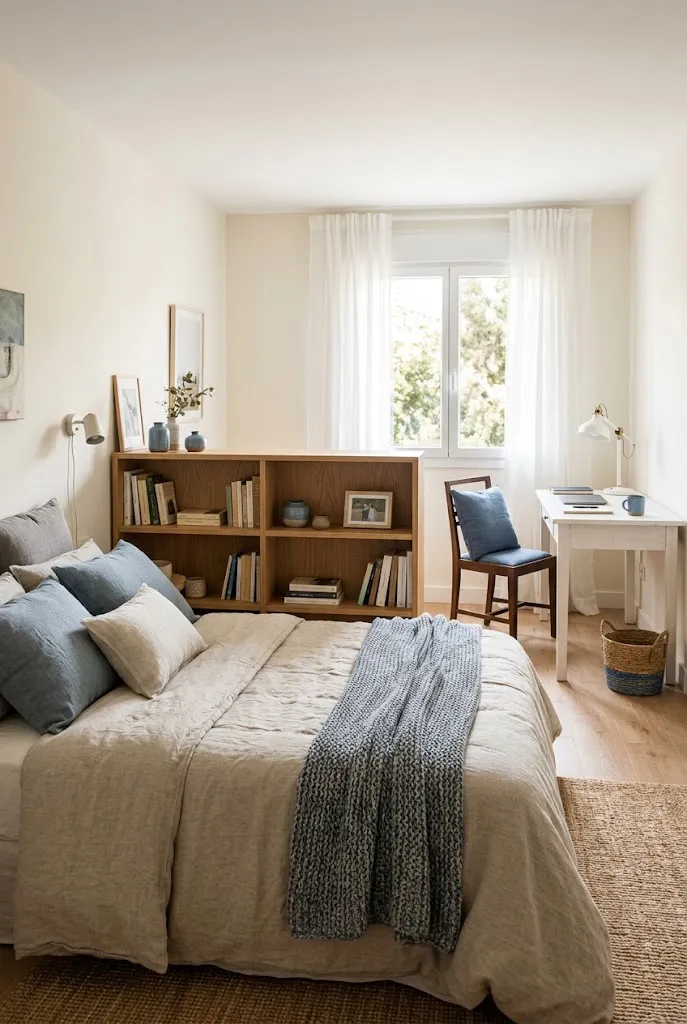
If the study shares space with a bed, a low open bookcase can create separation without blocking light. It signals “work zone” visually, and facing the desk away from the bed helps your brain shift between rest and focus.
- Choose a bookcase roughly waist to chest height so the room still feels open.
- Place the desk on the far side, facing a wall or window.
- Repeat one color or material across both zones so they feel related.
12. Build a Cushioned Window Seat for Reading Breaks
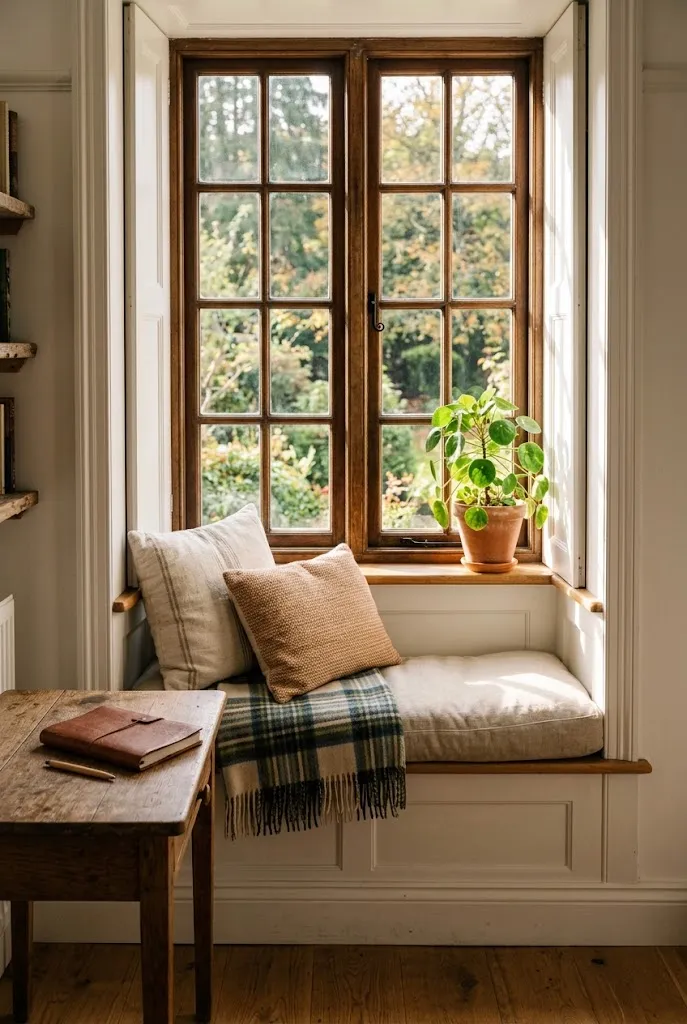
A window seat adds storage below and a soft place to land above. Use a firm foam cushion in a washable fabric, add two or three pillows, and keep the study desk nearby. It works as an in-between spot for slower reading.
13. Layer Wool, Sheepskin, and Knit Textures
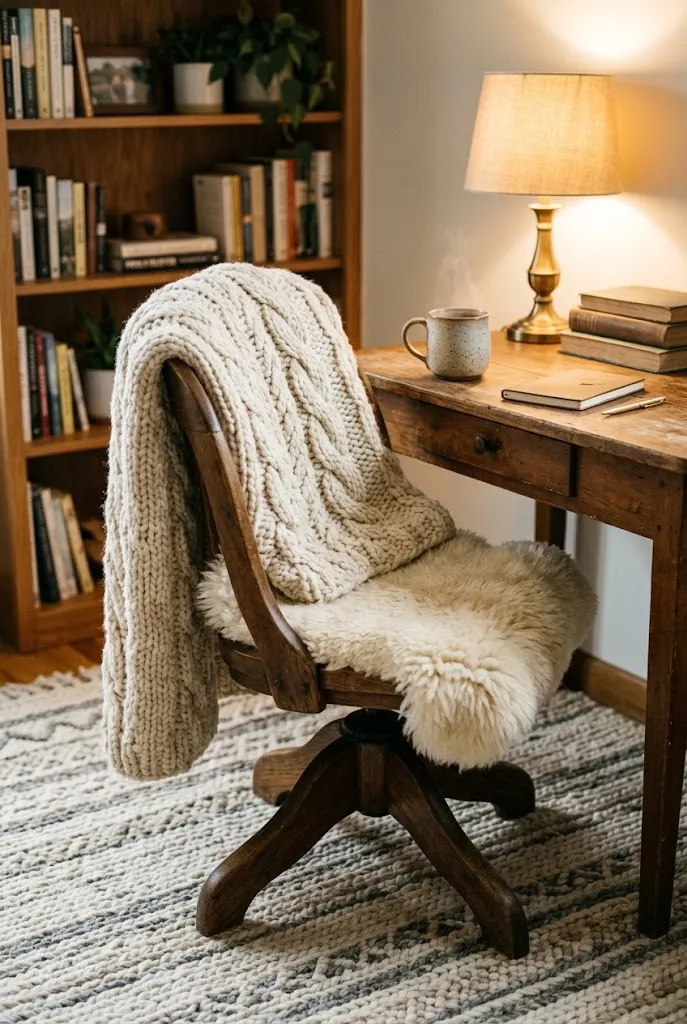
Texture does a lot of the cozy work. Think of a chunky knit throw over the chair, a sheepskin on the seat, and a wool rug under the desk. These soft layers also dampen sound, which helps in echoey rooms.
Editor’s Note: Mix textures in one color family rather than many. Cream, oatmeal, and soft brown read as warm; adding too many patterns breaks the calm.
14. Bring in Trailing Plants on Open Shelves
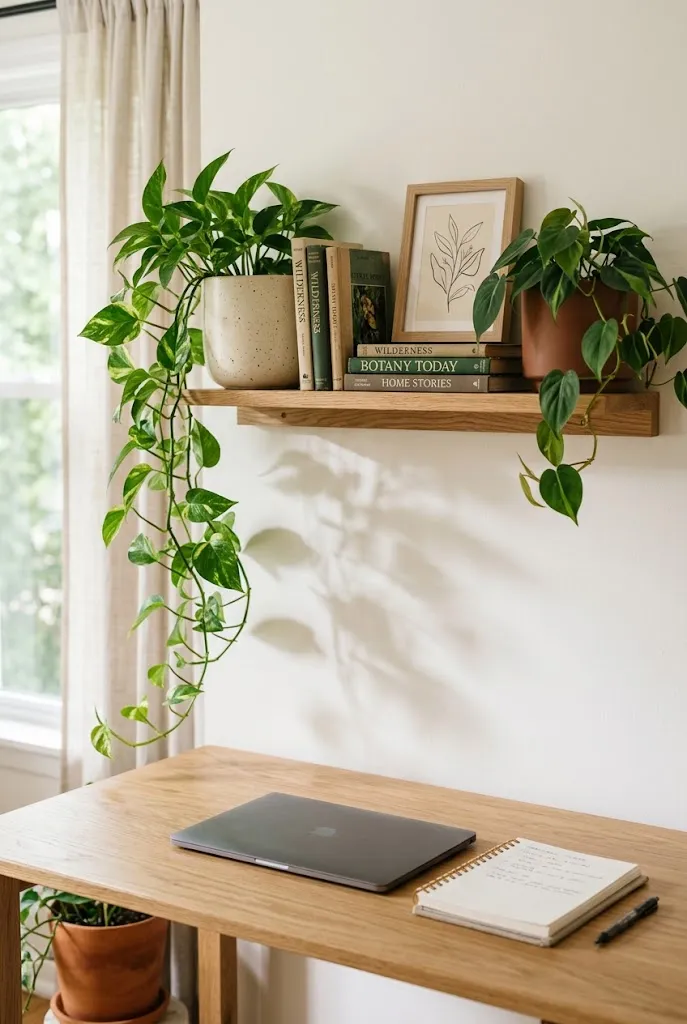
Greenery softens hard edges and gives your eyes somewhere restful to land. Trailing varieties such as pothos or philodendron spill from shelves without taking up desk space. Match the plant to the light the room actually gets, since a plant that struggles will look worse than none.
Tips & Tricks
- Use ceramic pots with drainage saucers to protect shelves
- Cluster plants at different heights for a natural look
- Keep one plant on the desk, not five
15. Choose a Warm Wood Sit-Stand Desk
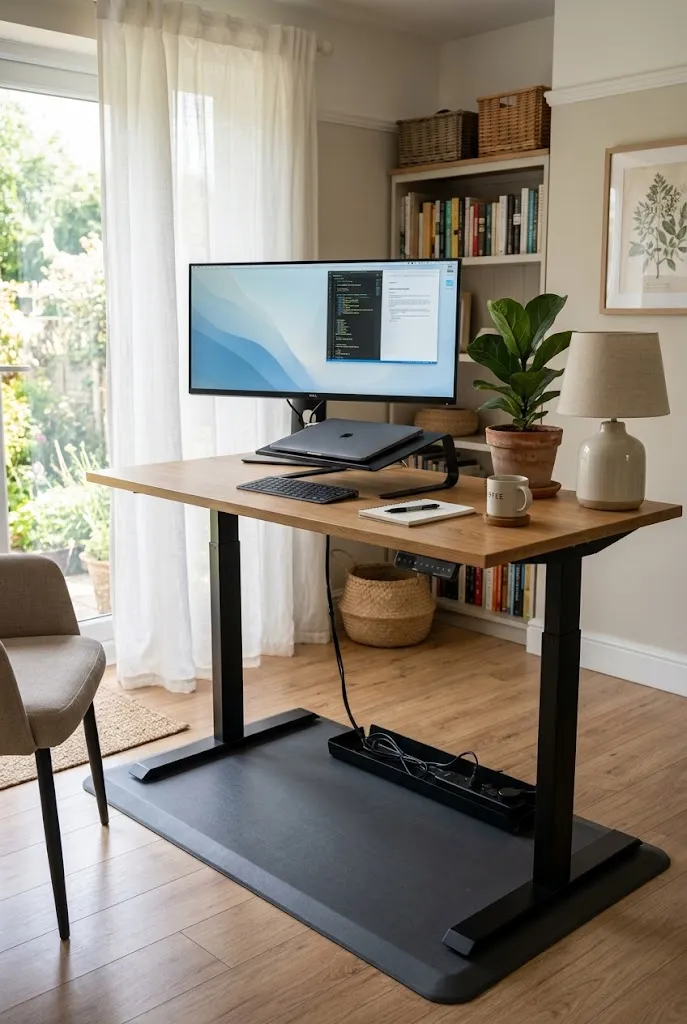
An adjustable desk lets you alternate positions through long sessions. A solid or veneer top in oak or walnut keeps it from looking like office equipment, and a simple cable tray hides cords.
Best For: Long study blocks, shared desks
Investment: Mid-range
16. Wrap One Wall in Grasscloth or Textured Wallpaper
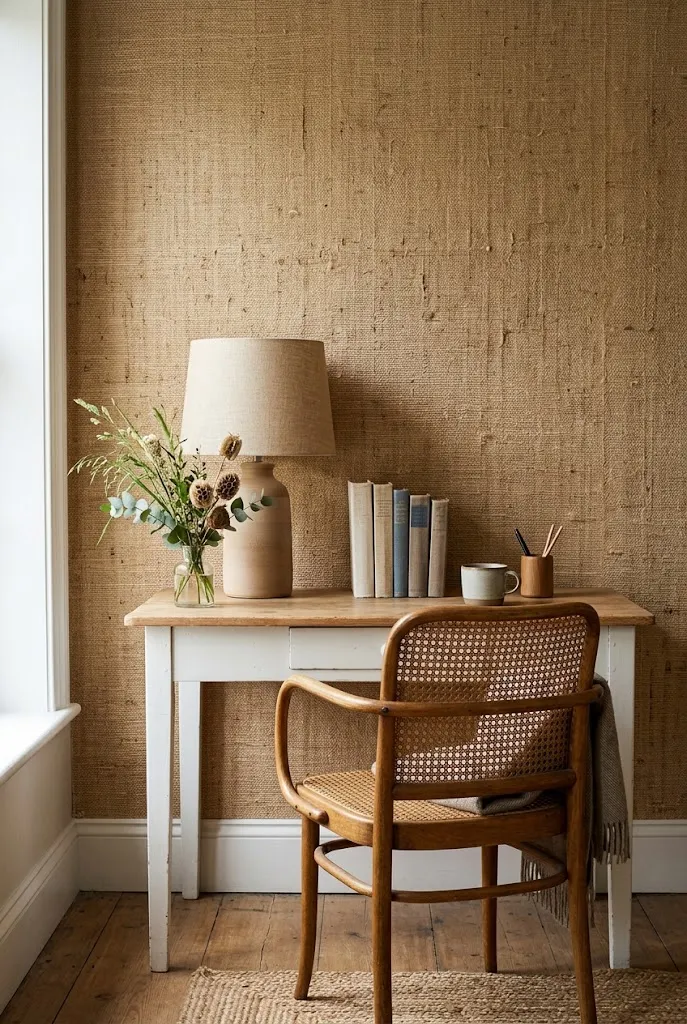
A natural-fiber look behind the desk adds richness without color. Peel-and-stick versions suit renters, and the texture reads as warm even in plain neutrals.
Common Mistake: Covering every wall in texture so the room feels busy.
Better Approach: Limit it to the desk wall and keep the rest smooth.
17. Go Moody With Navy Walls and a Brass Lamp
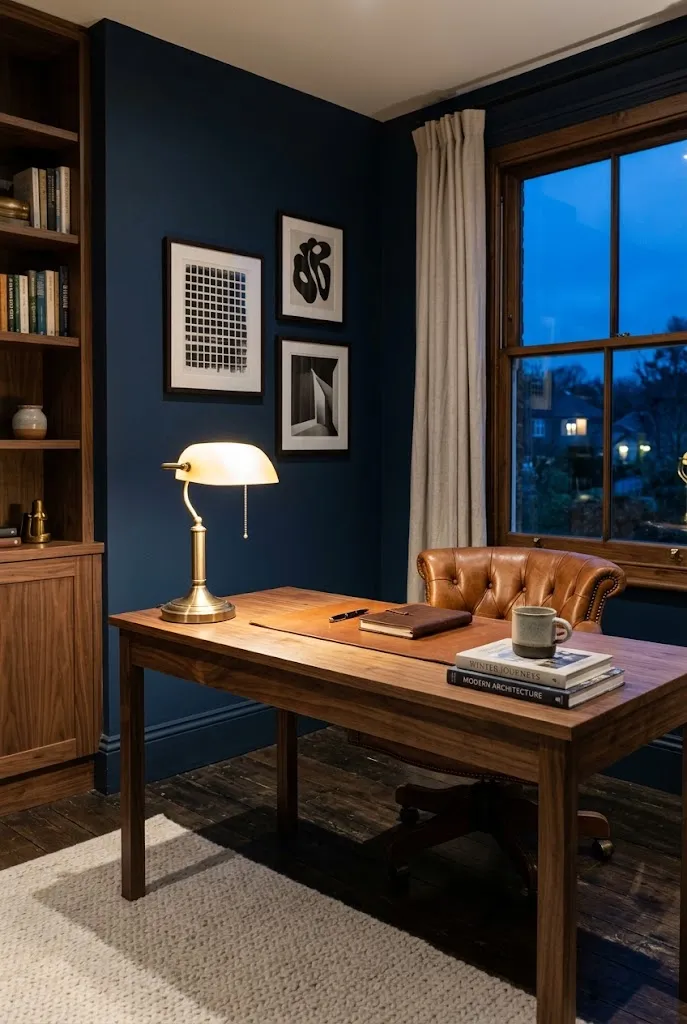
A darker palette suits evening study and can feel genuinely cocooning. Navy or deep blue-green pairs with warm wood and brass, and good lighting prevents it from feeling heavy.
- Use warm bulbs and more than one light source
- Keep a light rug or desk pad to bounce brightness
- Add one soft white accent, such as a ceramic lamp base
18. Mix Rattan and Cane for a Relaxed Boho Study
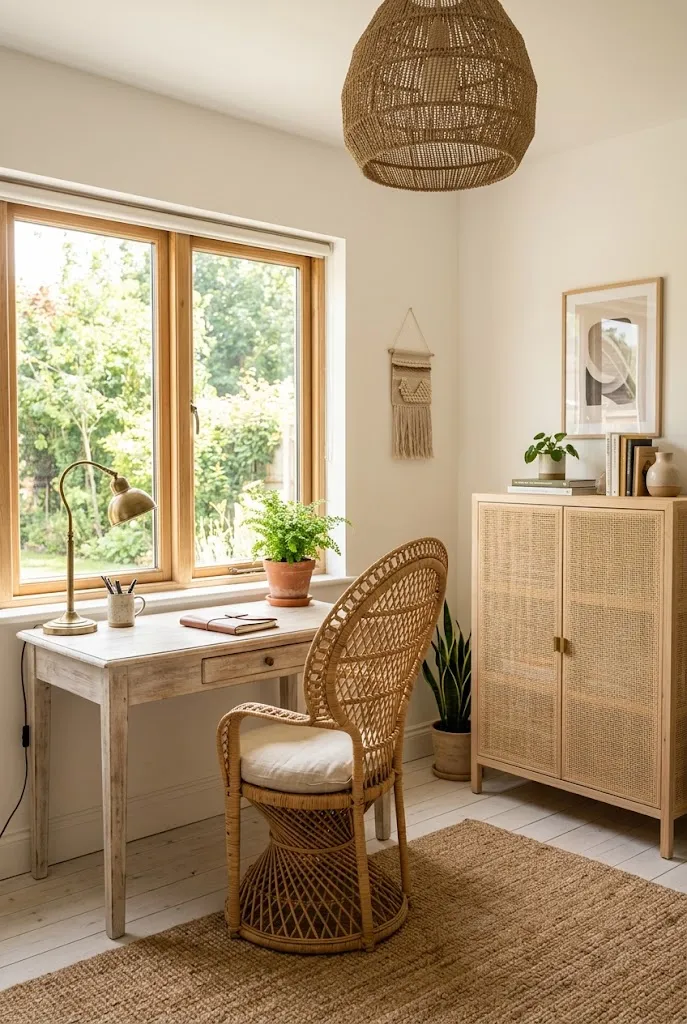
Natural woven materials soften a work area and add pattern without clutter. A cane-front cabinet, a rattan chair, and a jute rug create a laid-back look that suits bright, casual rooms.
19. Pick a Mid-Century Teak Desk
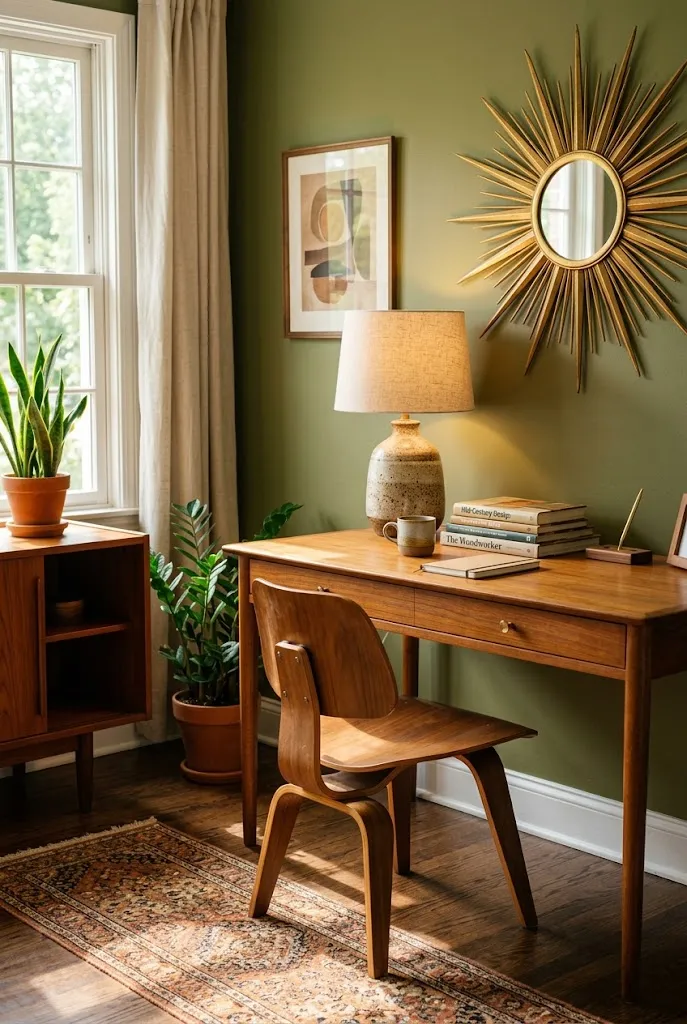
Tapered legs, clean lines, and warm teak tones fit well in both modern and traditional homes. Pair with a simple lamp and a few objects; the desk does the work.
20. Anchor a Study Zone With a Rug in an Open Living Space
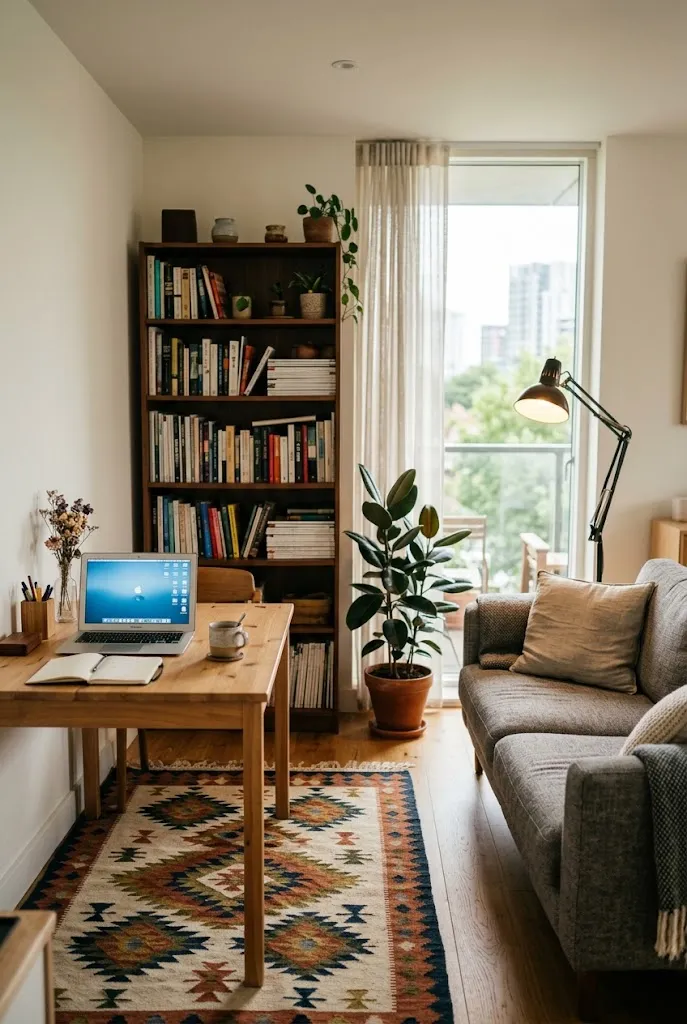
When there’s no spare room, a rug under a desk and chair marks the study area inside a living room or loft. Choose a rug large enough for the chair to roll without catching.
21. Mount a Floating Desk in a Hallway
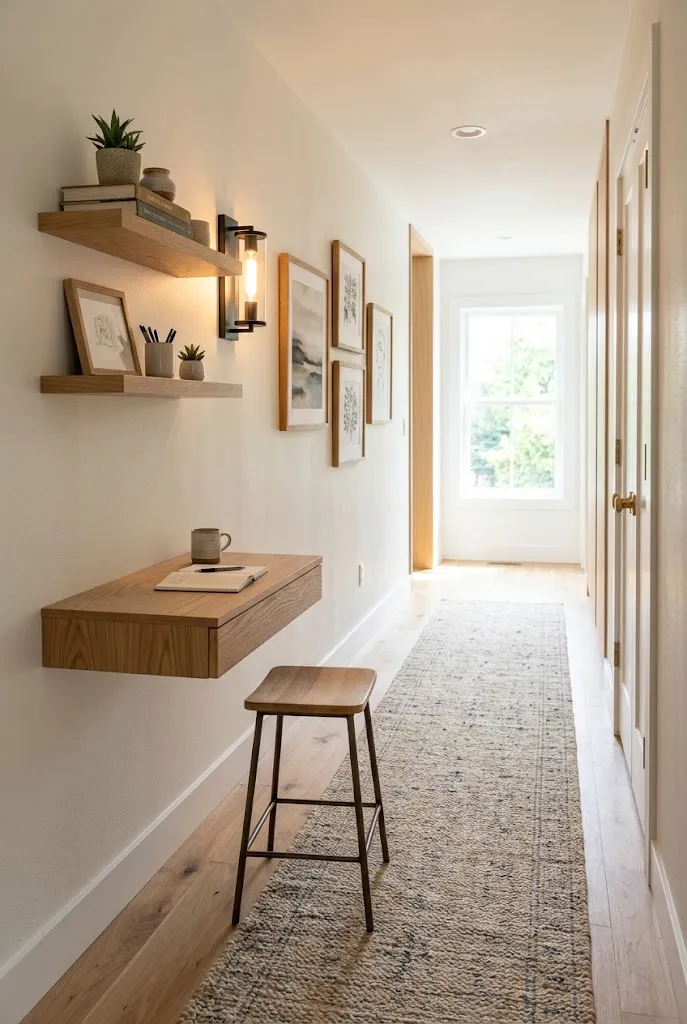
An underused hallway can hold a wall-mounted desk about 16 to 20 inches deep, with a slim stool that tucks away. It’s a compact solution for anyone who just needs a laptop-sized surface.
22. Organize Supplies on a Pegboard Wall
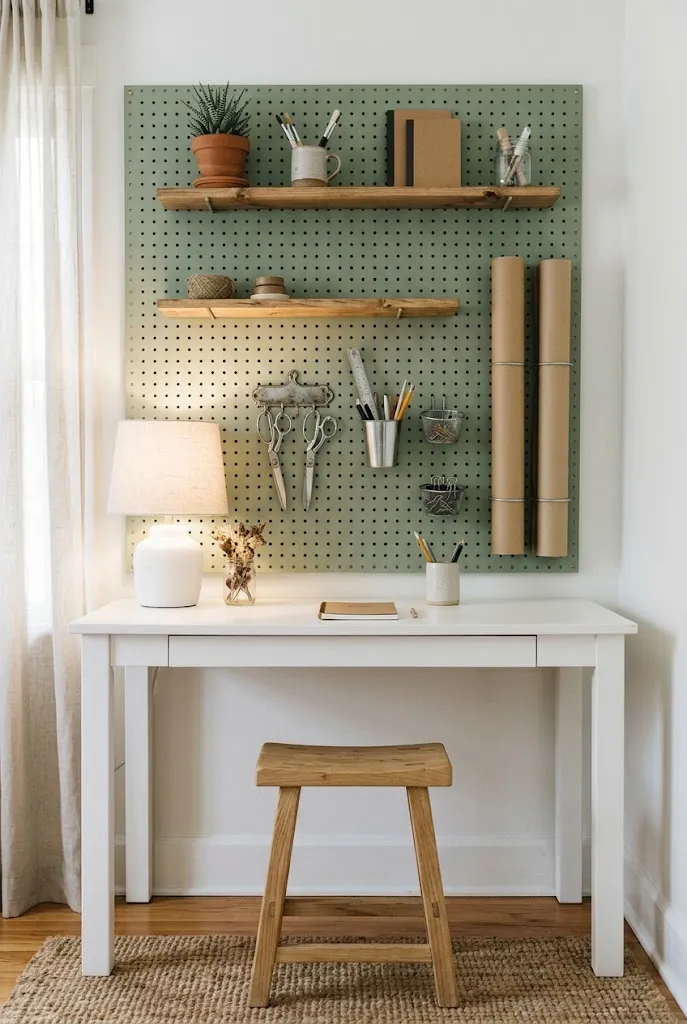
A painted pegboard keeps pens, scissors, and notebooks visible and reachable. Great for craft-friendly or art-heavy studying, and easy to rearrange.
23. Give Kids a Homework Table With Cubbies
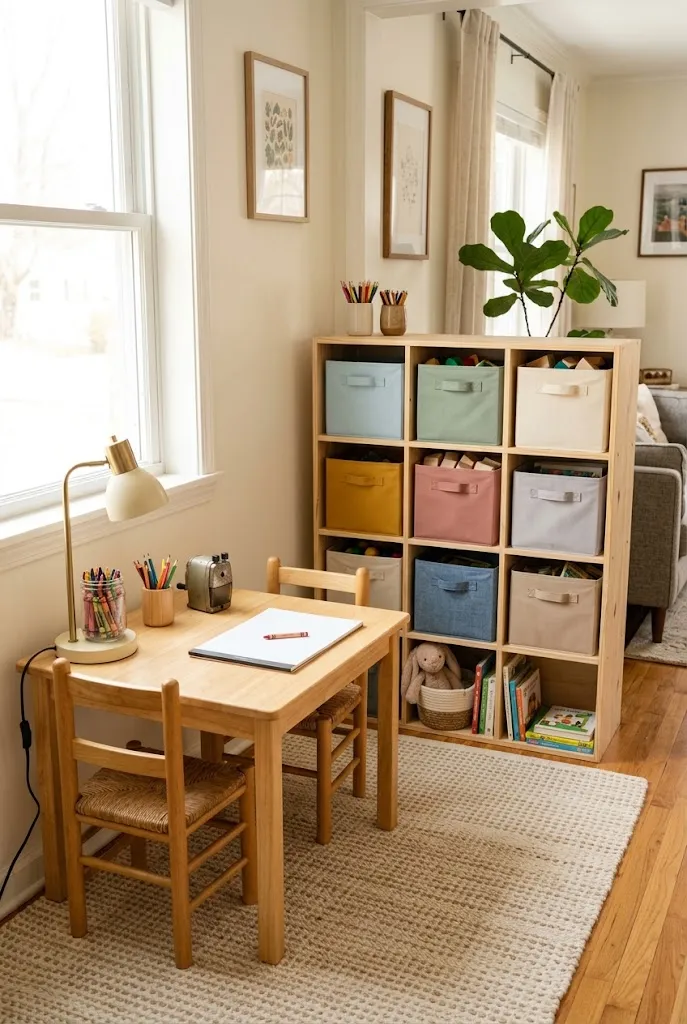
A sturdy table at the right height, a row of color-coded bins, and good lighting make homework less of a battle.
Tips & Tricks
- Keep the surface clear except for the current task
- Use one bin per subject
- Choose washable, rounded-edge furniture
24. Restore a Vintage Secretary Desk
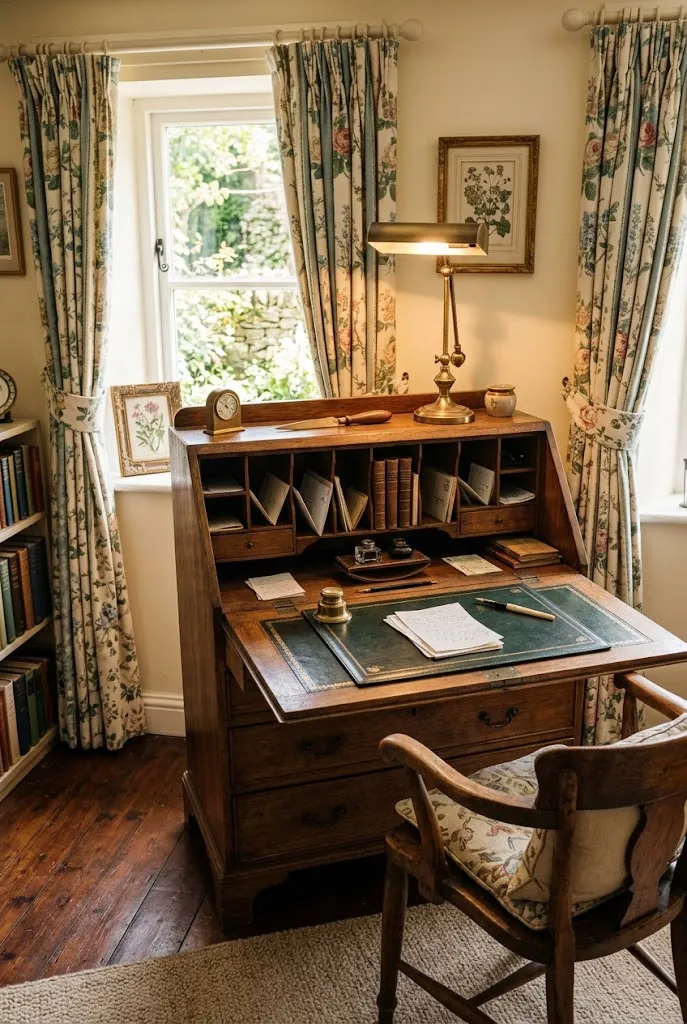
A drop-front secretary desk folds away when you’re done, which keeps the room calm. Thrifted ones often look great with fresh paint or a clean-up of the original finish.
Choosing Where to Start
If you’re adapting a room, begin with light and seating, since those affect comfort the most. Then add texture, then a single color or shelving change. You don’t need all 24 ideas; two or three that fit your space will do more than a dozen half-implemented ones.